
In the ever-evolving landscape of maternity care, hospitals are continually seeking innovative ways to enhance the birthing experience for expectant mothers.
One such innovation gaining momentum is the integration of water birth pools within hospital facilities.
Far from being a mere trend, water birth pools offer a myriad of benefits that not only prioritize the well-being of both mother and child but also contribute to a more holistic and empowering birthing experience.
In this article, we delve into the compelling reasons why hospitals should consider embracing the tide and incorporate water birth pools into their maternity care services.
Natural Pain Relief:
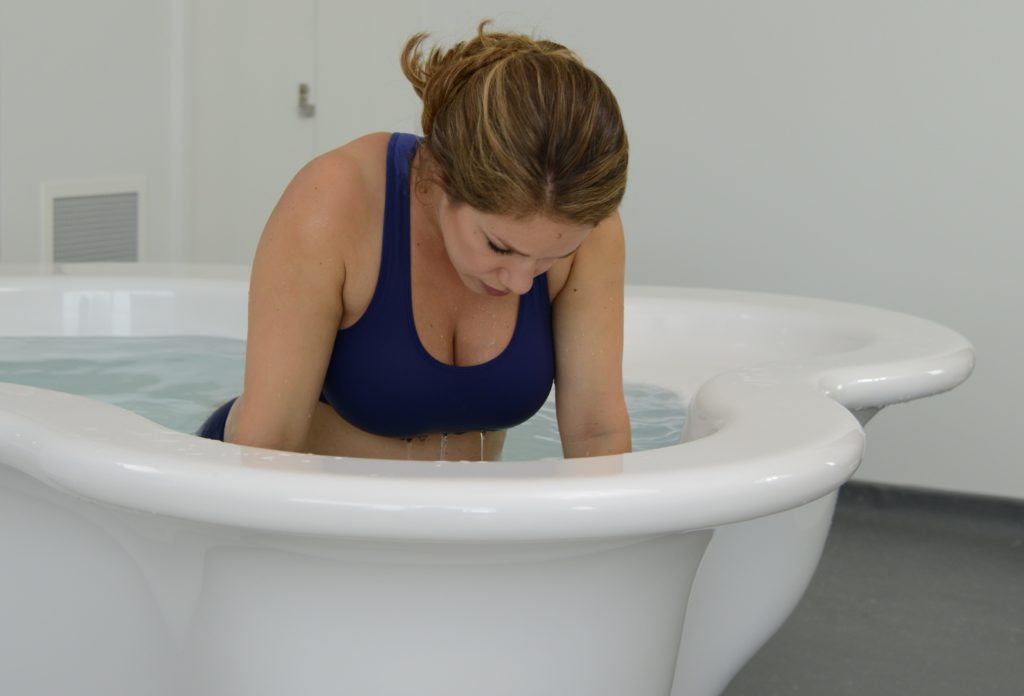
Water has long been recognized as a powerful natural pain reliever.
Immersing oneself in warm water can alleviate the intensity of contractions and provide a sense of weightlessness, reducing the impact of gravity on the body.
Hospitals that offer water birth pools provide mothers with an alternative pain management option that complements traditional methods, offering a more personalized approach to comfort during labour.
Numerous studies have demonstrated the efficacy of water immersion in alleviating labour pain.
A review published in the “Journal of Perinatal Education” (Harper et al., 2016) concluded that immersion in warm water during labor significantly reduces pain perception, providing expectant mothers with a non-pharmacological and evidence-based pain relief option.
Research published in the “Journal of Obstetric, Gynecologic & Neonatal Nursing” (Thoeni et al., 2019) suggests that water immersion during labor reduces stress hormones, promoting a more relaxed state for both mother and baby.
Lower stress hormone levels have been associated with improved maternal well-being and favourable birth outcomes, supporting the argument for water birth pools as a holistic approach to maternity care.

Reduced Stress and Anxiety:
The birthing process can be a source of anxiety for many expectant mothers.
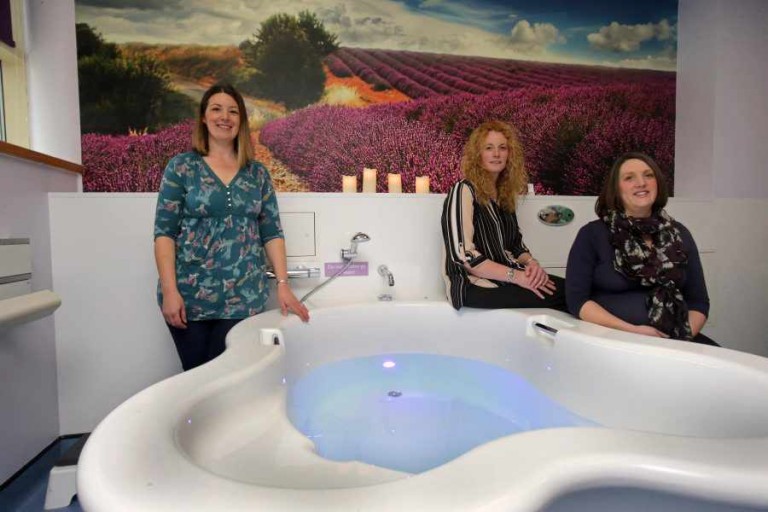
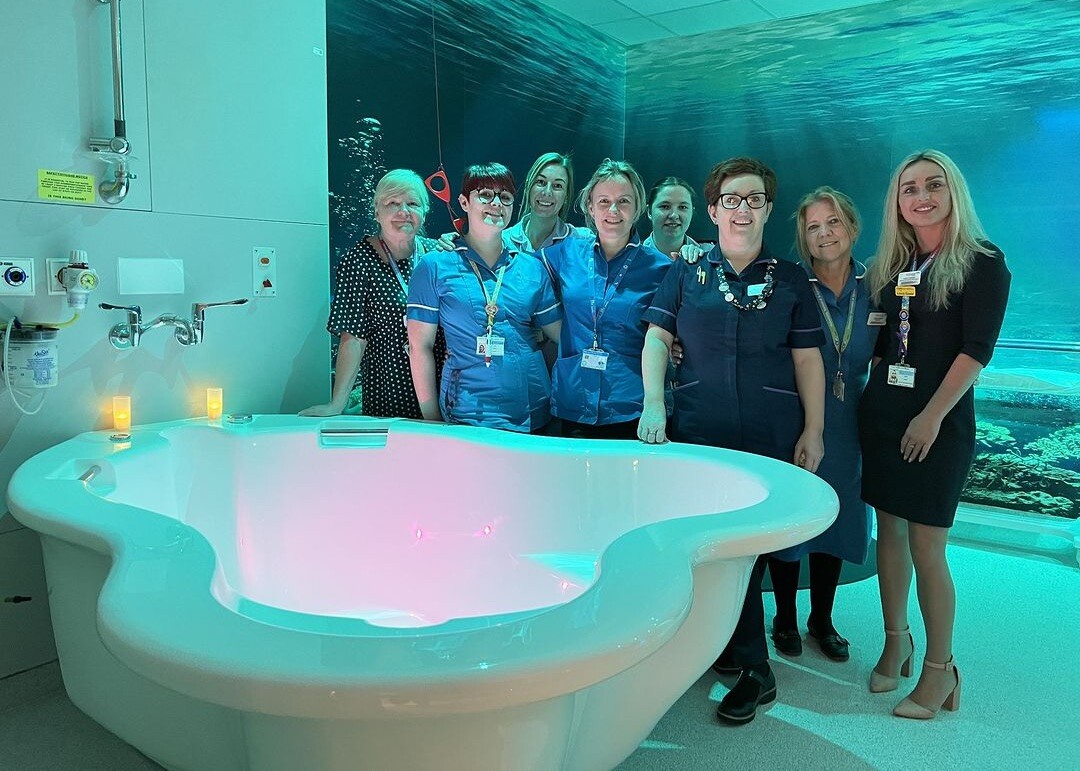
Water birth pools create a tranquil and soothing environment, fostering relaxation and reducing stress levels.
The buoyancy of the water promotes a sense of weightlessness, allowing mothers to move more freely and adopt comfortable positions, contributing to a more positive and empowering birthing experience.
Research published in the “Journal of Obstetric, Gynecologic & Neonatal Nursing” (Thoeni et al., 2019) suggests that water immersion during labor reduces stress hormones, promoting a more relaxed state for both mother and baby.
Lower stress hormone levels have been associated with improved maternal well-being and favourable birth outcomes, supporting the argument for water birth pools as a holistic approach to maternity care.
Facilitation of Movement and Positioning:
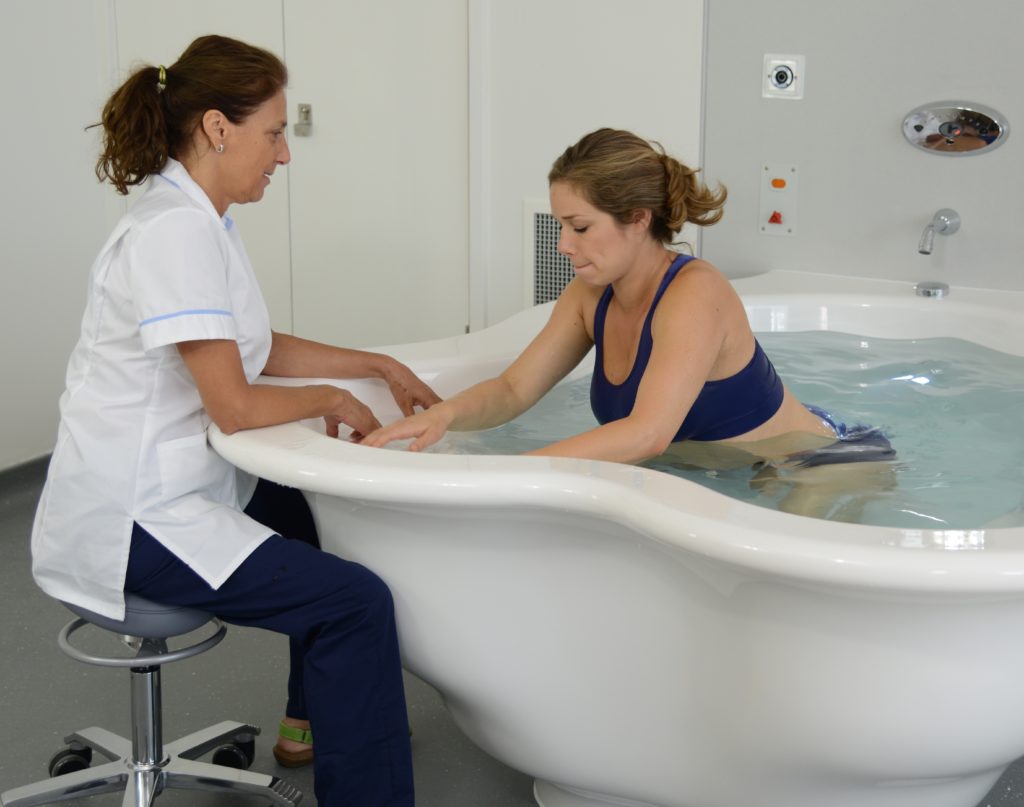
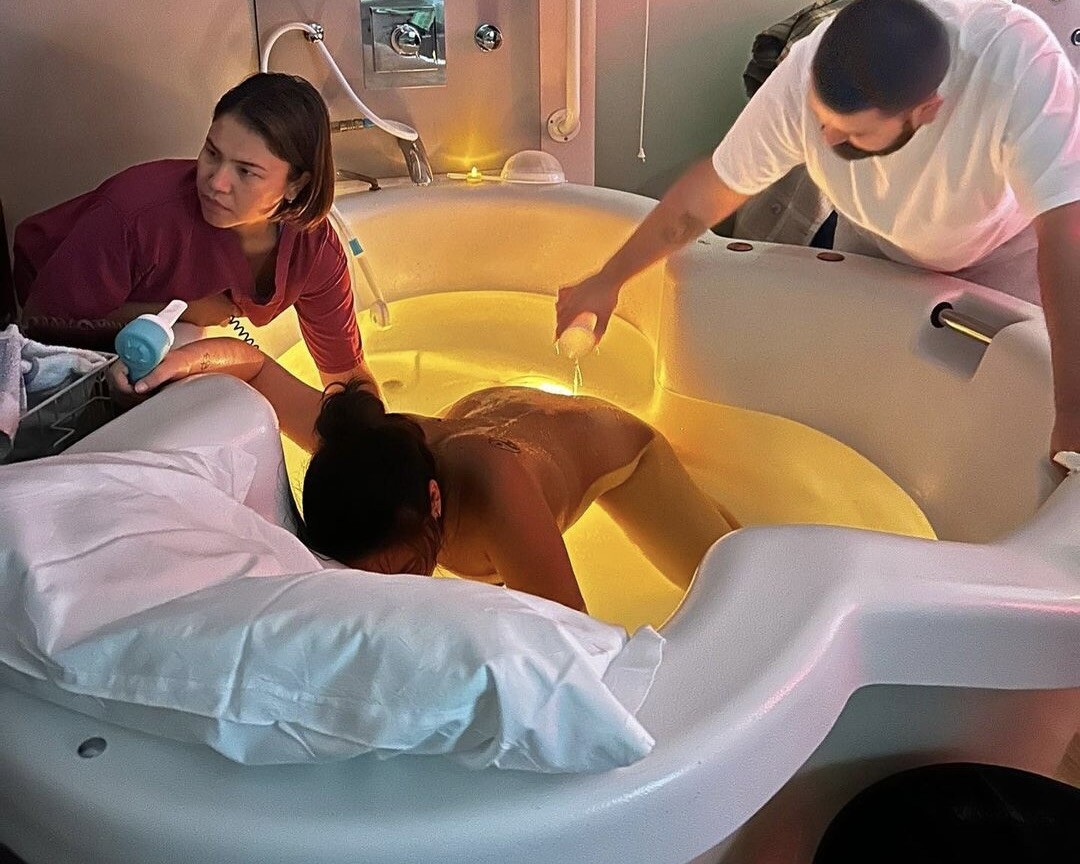
Water birth pools provide an environment conducive to movement and positioning during labour.
Buoyancy allows for increased mobility, enabling mothers to change positions easily and find the most comfortable posture for delivery.
This flexibility can enhance the progress of labour and facilitate a smoother birthing process.
A study published in the “American Journal of Obstetrics & Gynecology” (Zanetti-Daellenbach et al., 2007) found that immersion in water enhances maternal mobility during labour.
The buoyancy of water allows for easier movement and positioning, potentially shortening the duration of labour and reducing the need for interventions.
This evidence underscores the importance of water birth pools in providing a conducive environment for optimal birthing positions.
Improved Blood Circulation:
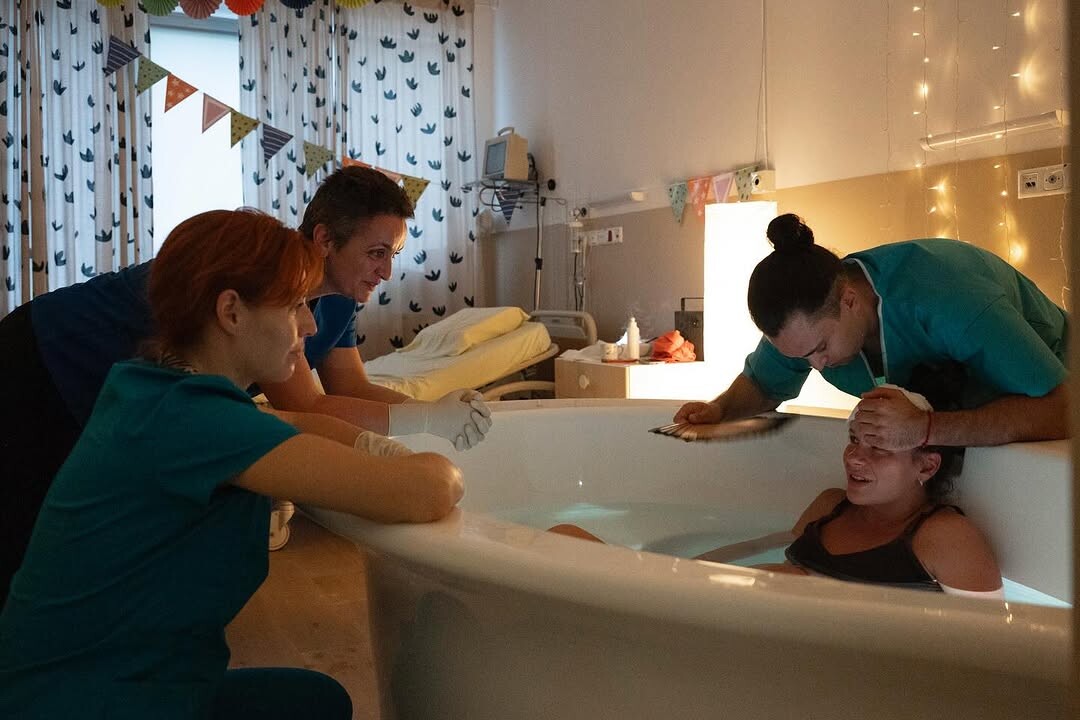
The warm water in a birth pool promotes improved blood circulation, which can be particularly beneficial during labour.
Enhanced circulation helps in reducing swelling and promoting oxygen flow, contributing to the well-being of both the mother and the baby.
Hospitals that incorporate water birth pools prioritize the physiological aspects of childbirth, promoting a healthier birthing environment.
The positive impact of warm water immersion on blood circulation has been well-documented.
A randomized controlled trial published in the “Journal of Midwifery & Women’s Health” (Burns et al., 2012) revealed that immersion in warm water increases peripheral blood flow and oxygenation, providing physiological benefits that contribute to the overall well-being of both the mother and the baby.

Enhanced Bonding:
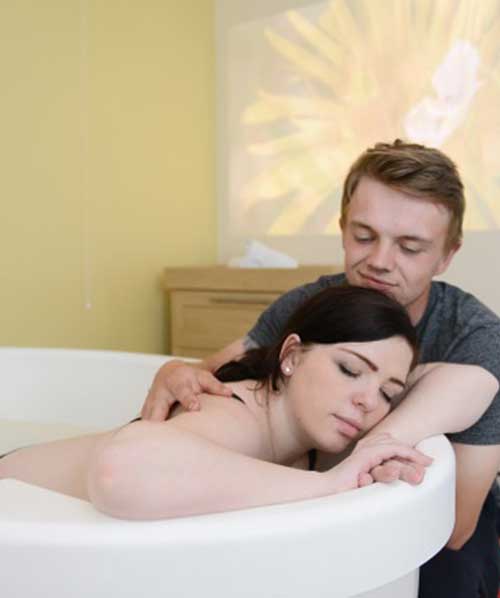
The intimate and private setting of a water birth pool encourages partner involvement and fosters a deeper connection between the parents and the newborn.
The shared experience of labour and delivery in a water birth pool can strengthen the emotional bond between partners, promoting a sense of unity and shared responsibility in welcoming the newest member of the family.
A comprehensive meta-analysis published in “Birth: Issues in Perinatal Care” (Nikodem et al., 2016) examined the psychological outcomes of water immersion during labor.
The analysis found a positive correlation between water birth experiences and increased maternal satisfaction and bonding with the newborn.
Hospitals that prioritize the inclusion of water birth pools align with evidence supporting the emotional benefits of this birthing approach.

The inclusion of water birth pools in hospital maternity care services represents a progressive step towards providing a more comprehensive and patient-centered approach to childbirth.
Beyond the physical benefits, such as natural pain relief and improved circulation, water birth pools contribute to a more emotionally enriching experience for both parents.
As hospitals strive to prioritize the well-being and preferences of expectant mothers, the integration of water birth pools emerges as a compelling choice, echoing the age-old connection between humanity and the soothing embrace of water during the miracle of childbirth.
Incorporating water birth pools into hospital maternity care services isn’t just a progressive step; it’s a scientifically-backed leap toward providing evidence-based, patient-centered childbirth experiences.
The multitude of studies supporting the benefits of water immersion during labour reinforces the notion that hospitals should consider water birth pools not as a luxury but as a crucial element in fostering a safe, comfortable, and evidence-based birthing environment.
The tide of evidence overwhelmingly supports the integration of water birth pools as a transformative force in modern maternity care.
References:
Evidence on water immersion and waterbirth continues to develop. Current evidence and guidance support offering water immersion for pain relief during labour for suitable women with uncomplicated pregnancies, with appropriate clinical protocols, temperature monitoring, infection-control procedures and trained staff.
Recommended references
1. Cluett, E.R., Burns, E. and Cuthbert, A. (2018). Immersion in water during labour and birth. Cochrane Database of Systematic Reviews, Issue 5, CD000111.
Use for: Supports reduced epidural/spinal analgesia use, maternal satisfaction, and no clear evidence of increased adverse outcomes, while noting limitations in evidence quality.
Link: https://eprints.soton.ac.uk/423080/1/Immersion_in_water_during_labour_and_birth.pdf
2. Burns, E., Feeley, C., Hall, P.J. and Vanderlaan, J. (2022). Systematic review and meta-analysis to examine intrapartum interventions, and maternal and neonatal outcomes following immersion in water during labour and waterbirth. BMJ Open, 12, e056517.
Use for: Supports water immersion as an effective way to reduce labour pain without increasing risk, based on a systematic review and meta-analysis.
Link: https://bmjopen.bmj.com/content/12/7/e056517
3. Sanders, J. et al. (2024). Maternal and neonatal outcomes among spontaneous vaginal births occurring in or out of water following intrapartum water immersion: The POOL cohort study. BJOG: An International Journal of Obstetrics & Gynaecology.
Use for: Supports the statement that, among low-risk women using water immersion during labour, remaining in the pool to give birth was not associated with increased adverse maternal or neonatal outcomes.
4. NIHR Evidence (2025). Water births do not increase risks for mother or baby.
Use for: Useful plain-English source for hospital decision-makers. Summarises the POOL study, including no increase in serious tears or adverse baby outcomes, while noting that cord snapping was more common but still uncommon overall.
Link: https://evidence.nihr.ac.uk/alert/water-births-do-not-increase-risks-for-mother-or-baby/
5. National Institute for Health and Care Excellence (NICE) (2025 update to NG235). Intrapartum care: recommendations.
Use for: Supports offering women the opportunity to labour in water for pain relief; monitoring woman and water temperature hourly; and keeping baths and birth pools clean under local infection-control protocols and manufacturer guidance.
Link: https://www.nice.org.uk/guidance/ng235/chapter/Recommendations
6. Royal College of Obstetricians and Gynaecologists / Royal College of Midwives (2006). Immersion in Water During Labour and Birth: Joint Statement No. 1.
Use for: Supports labouring in water for healthy women with uncomplicated pregnancies. Useful as a UK professional-position reference, but should be supplemented by newer guidance and evidence.
Link: https://activebirthpools.com/wp-content/uploads/2014/05/RCOG-waterbirth.pdf
7. American College of Obstetricians and Gynecologists (ACOG) Committee Opinion No. 679 (2016). Immersion in Water During Labor and Delivery.
Use for: Provides a balanced professional view: immersion during the first stage of labour may be associated with shorter labour and decreased use of spinal/epidural analgesia.
8. Sidebottom, A.C. et al. (2020). Maternal and Neonatal Outcomes in Hospital-Based Deliveries With Water Immersion. Obstetrics & Gynecology, 136.
Use for: Provides hospital-based water immersion data; second-stage water immersion was associated with lower NICU/special-care admission and lower perineal laceration rates than matched controls.
Link: https://pubmed.ncbi.nlm.nih.gov/32925614/
9. Royal Cornwall Hospitals NHS Trust (2025). Waterbirth and the Use of Water During Labour Clinical Guideline, V4.0.
Use for: Useful as a current NHS clinical-practice example. Supports waterbirth for healthy women/people with uncomplicated term pregnancies, lists suitability criteria, and addresses clinical governance.
10. Bradford Teaching Hospitals NHS Foundation Trust. Water birth and home birth: Labour and birth in water.
Use for: Useful patient-facing NHS wording for benefits: water supports weight, helps movement, can ease pain and anxiety, and can help women feel more in control.
Link: https://www.bradfordhospitals.nhs.uk/parent-education-modules/waterbirth-and-homebirth/
Suggested citation placement on the page
Claims about pain relief, reduced analgesia, relaxation and maternal satisfaction: Cluett, Burns & Cuthbert (2018); Burns et al. (2022); NICE NG235.
Claims about safety for suitable low-risk women and babies: Sanders et al. (2024); NIHR Evidence (2025); Burns et al. (2022).
Claims about suitability criteria, governance, monitoring and infection-control protocols: NICE NG235; Royal Cornwall Hospitals NHS Trust (2025); RCOG/RCM (2006).
Claims directed at US or international clinical audiences: ACOG Committee Opinion No. 679; Sidebottom et al. (2020).
Patient-facing explanations of comfort, buoyancy, movement and feeling in control: Bradford Teaching Hospitals NHS Foundation Trust; NICE NG235.