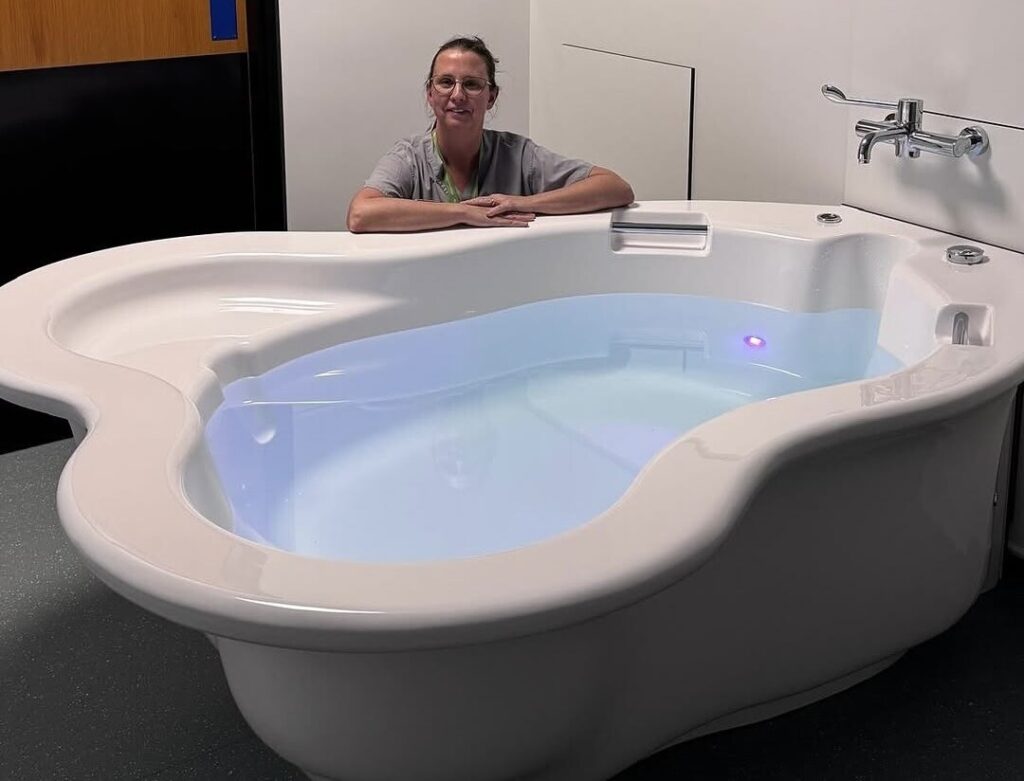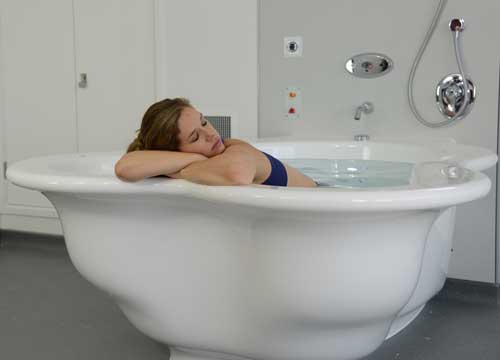

For all the technology, expertise and clinical complexity surrounding modern maternity care, one of the most effective forms of support available to a woman during labour is remarkably simple.
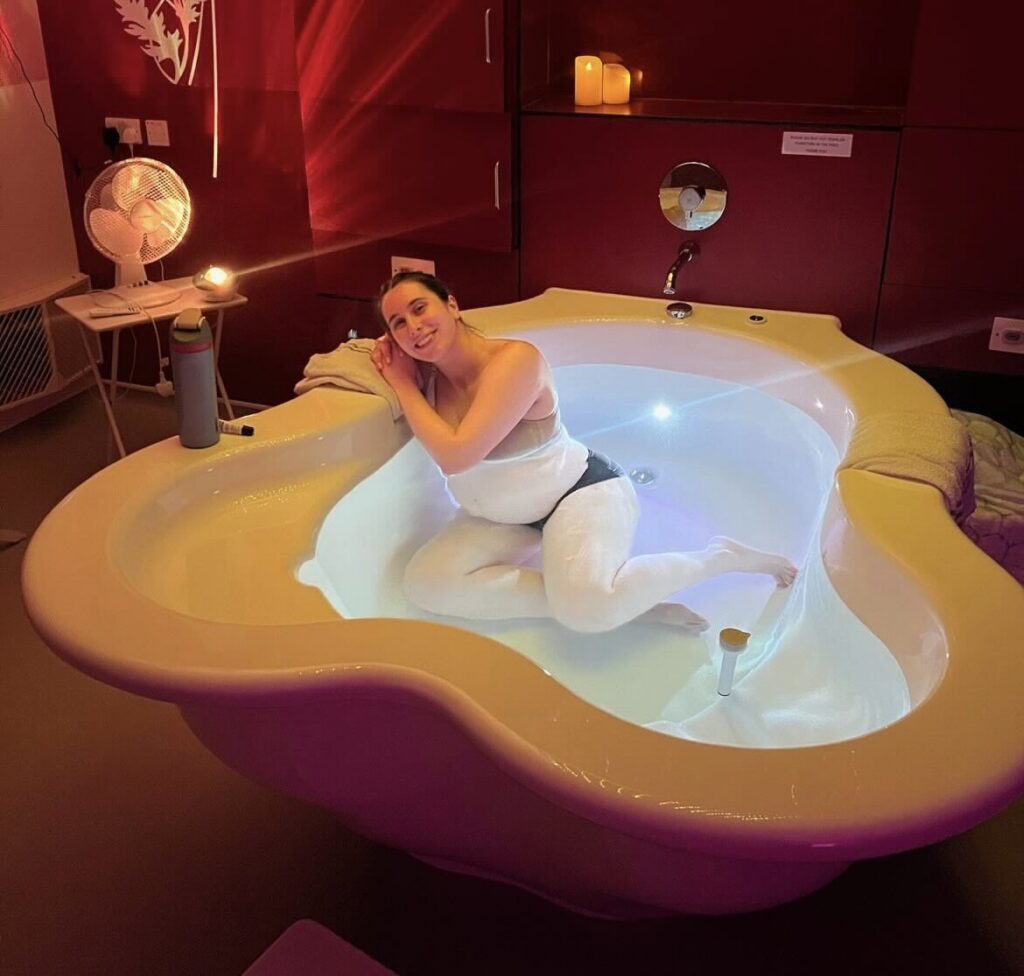
In a water birth pool, buoyancy supports the mother’s body, helping her feel comfortable, supported and freer to move.
Yet describing it as simply “a pool of water” risks overlooking what is actually happening.
Warm-water immersion changes the physical environment in which a woman labours.
Gravity feels different.

Movement becomes easier.
Warmth surrounds the body.
The mother occupies her own protected space.
Positions that may be tiring on land become sustainable for longer.
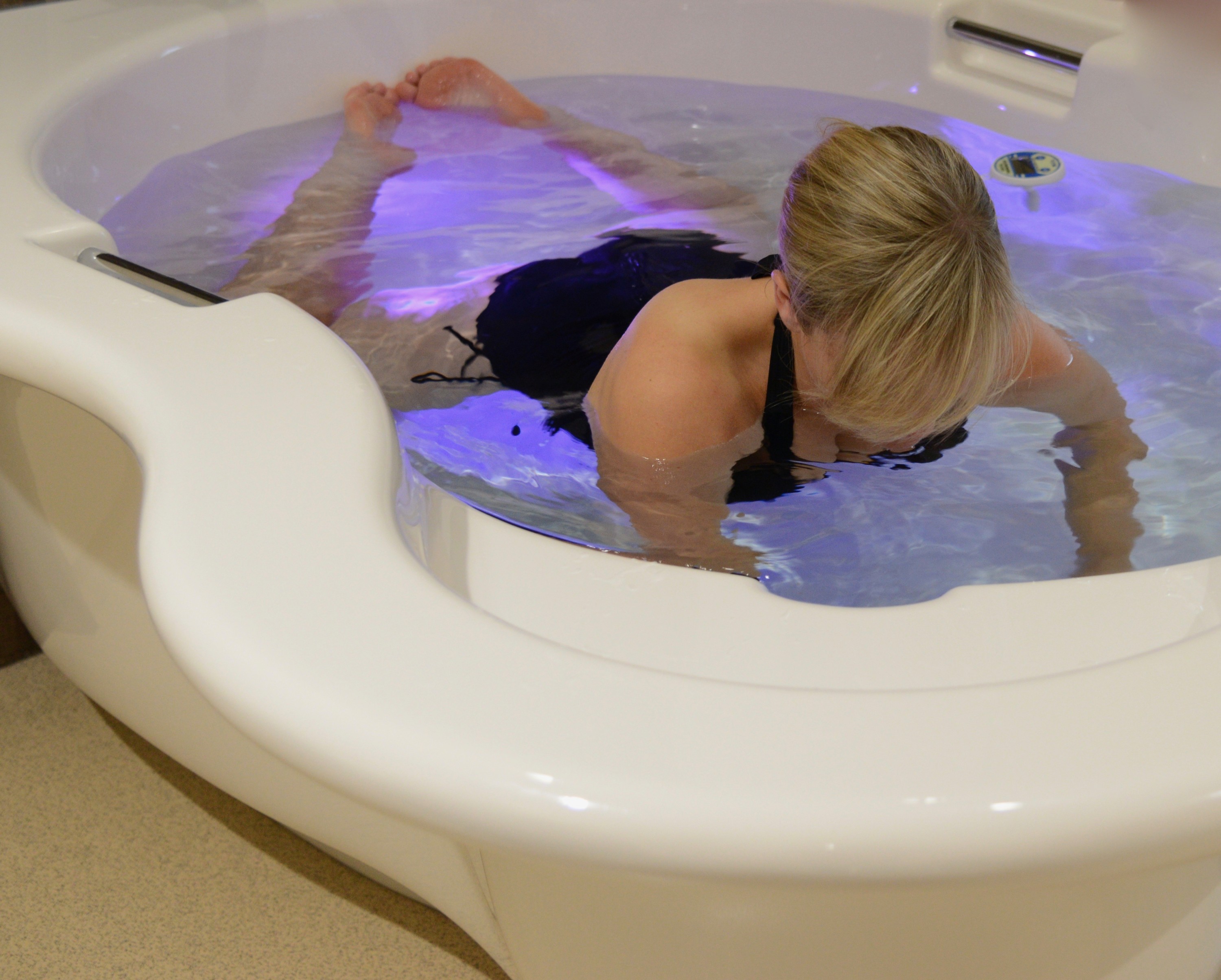
Between contractions, she can float, lean, rest and conserve energy.
For many mothers, the water becomes much more than a means of pain relief.
It becomes the space in which labour happens.

Water offers meaningful pain relief
Labour pain is not simply the sensation created by contractions.
It is influenced by tension, fatigue, position, movement, surroundings, anxiety and a woman’s sense of safety and control.
Warm water cannot remove every sensation, and individual experiences vary.
But there is substantial evidence that immersion can make labour pain easier to manage.
This is what makes water so interesting.
It does not act upon the mother in the way a drug does.
Instead, it changes the environment around her body, enabling her to find her own ways of coping with labour.
Buoyancy changes what is physically possible
One of the most immediate effects of immersion is buoyancy.
Late pregnancy and labour place considerable physical demands on the body.
On land, changing from sitting to kneeling, from kneeling to squatting or from one side of the body to another requires muscular effort.
In sufficiently deep water, much of that weight is supported.
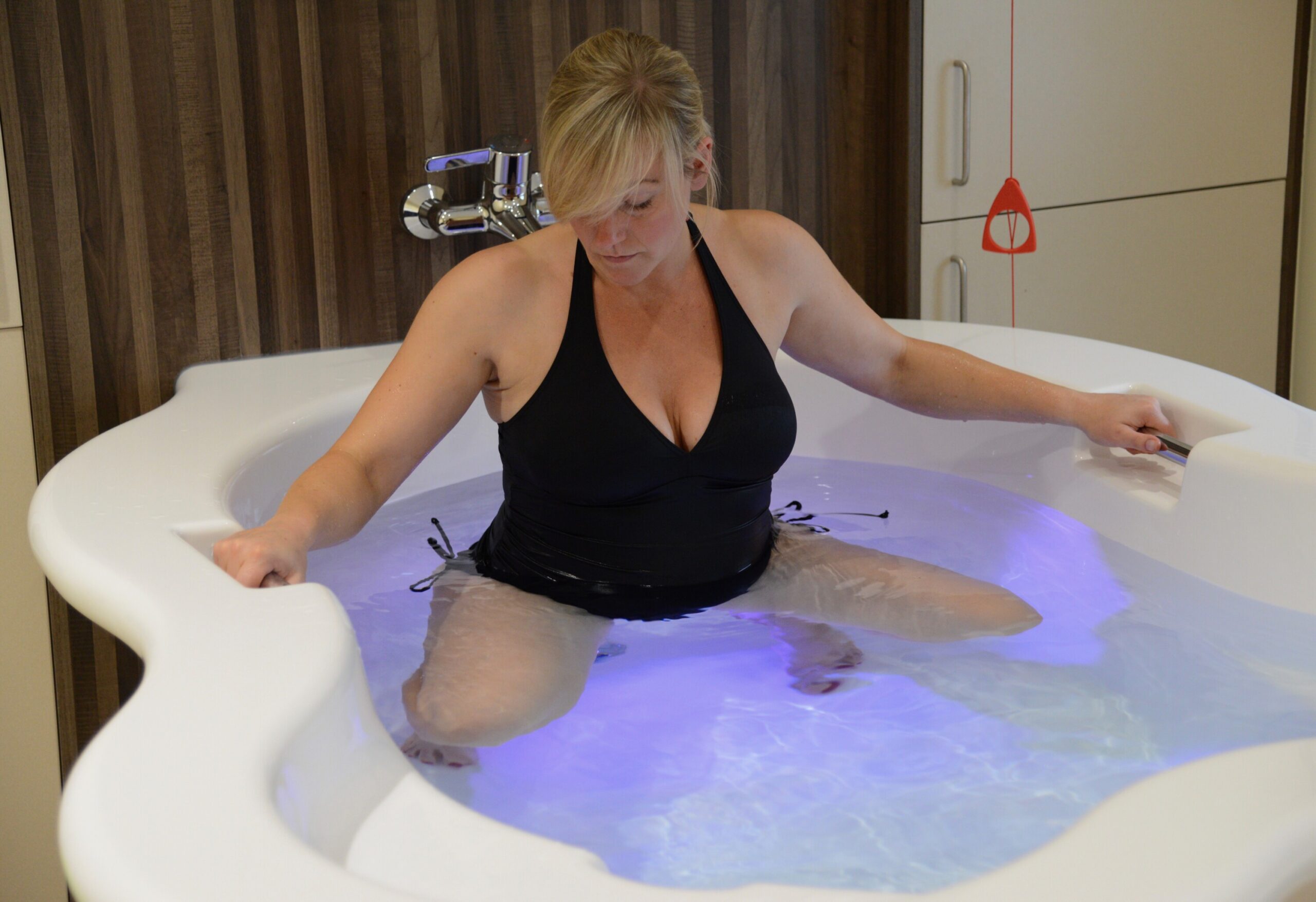
The woman can move differently.
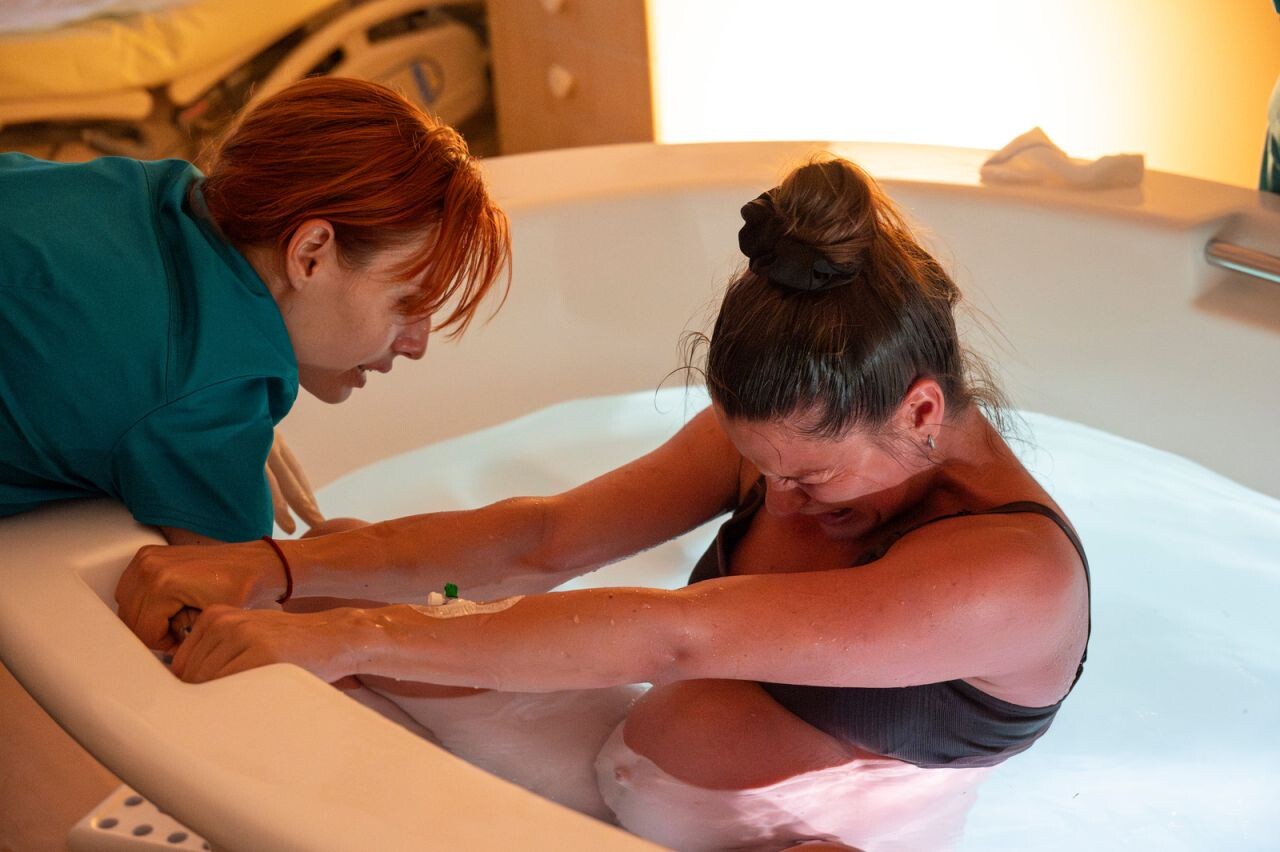
She can kneel, squat, lean forwards, rotate her pelvis, float between contractions and turn from one position to another without repeatedly lifting the full weight of her body.
And importantly, she can change her mind.
A position that feels instinctively right during one contraction may feel completely wrong during the next.
Water allows a mother to respond continuously to what her body is telling her.
This freedom of movement is one reason why the dimensions and water depth of a birthing pool matter.
Between contractions, the mother can allow the water to carry some of her weight.
She can rest against the side of the pool, use an internal support or simply float.
During contractions, she can move.
Then she can rest again.
This alternation between movement and release can be one of the great strengths of an aquatic environment.
Rather than prescribing how a woman should labour, the water gives her somewhere in which she can discover her own rhythm.
A space within a space
There is another characteristic of a birthing pool that is less obvious but potentially just as important.
It creates a boundary.
Hospitals necessarily contain people, equipment, lighting, observation and activity.
Yet labour often asks something quite different of a woman: concentration, privacy, security and the freedom to turn her attention inwards.
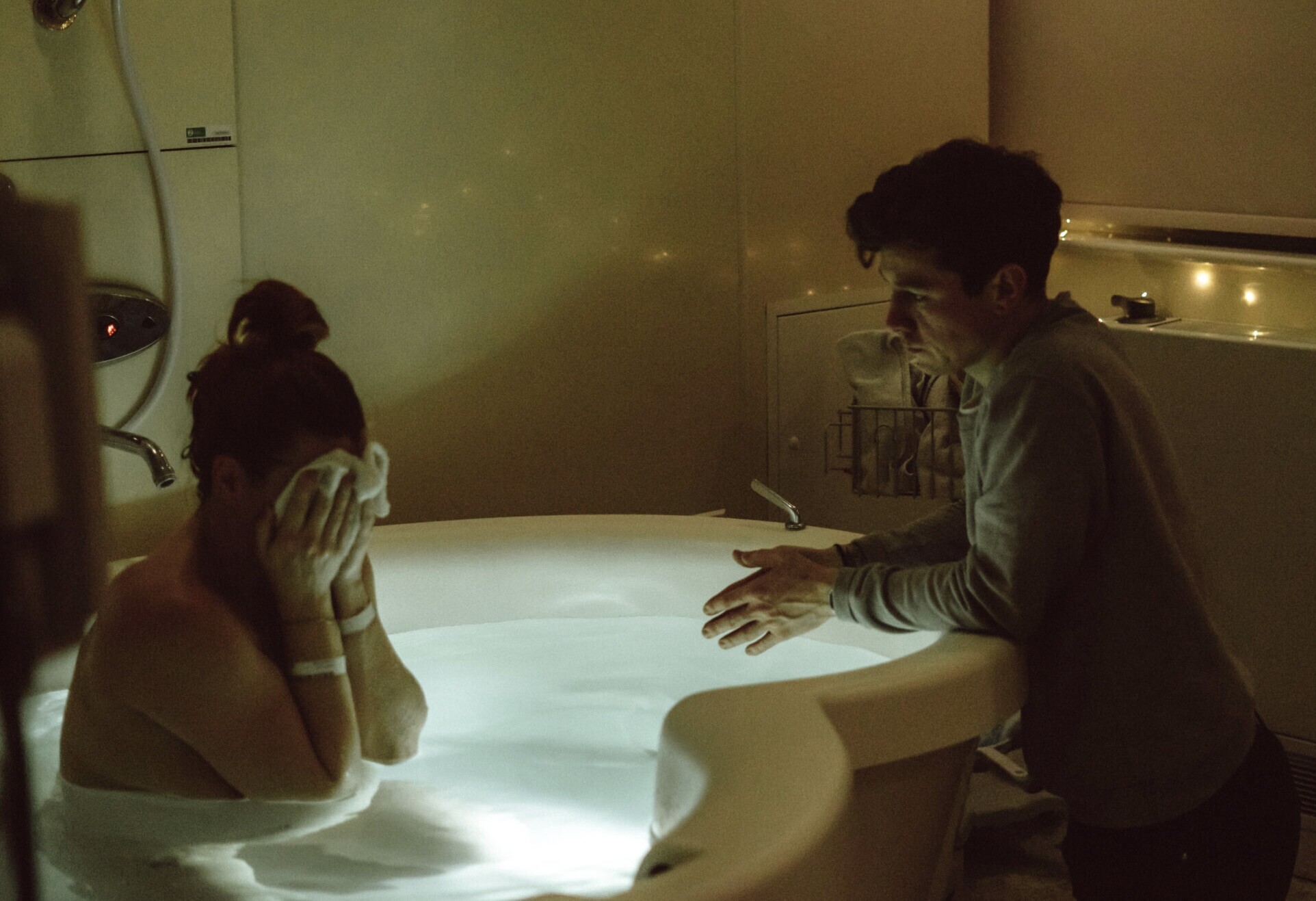
Once she enters the pool, the mother occupies a distinct space within the birthing room.
The water surrounds her.
The pool establishes a physical boundary.
Those caring for her remain present, but they are no longer occupying precisely the same space.
Research examining women’s experiences of water immersion repeatedly describes themes including control, empowerment, relaxation, intimacy and freedom of movement.

That is a significant point.
The best-designed birthing pool is one whose design almost disappears
Warmth.
Buoyancy.
Movement.
Privacy.
Support.
These are the things a mother should experience – not the design decisions that make them possible.
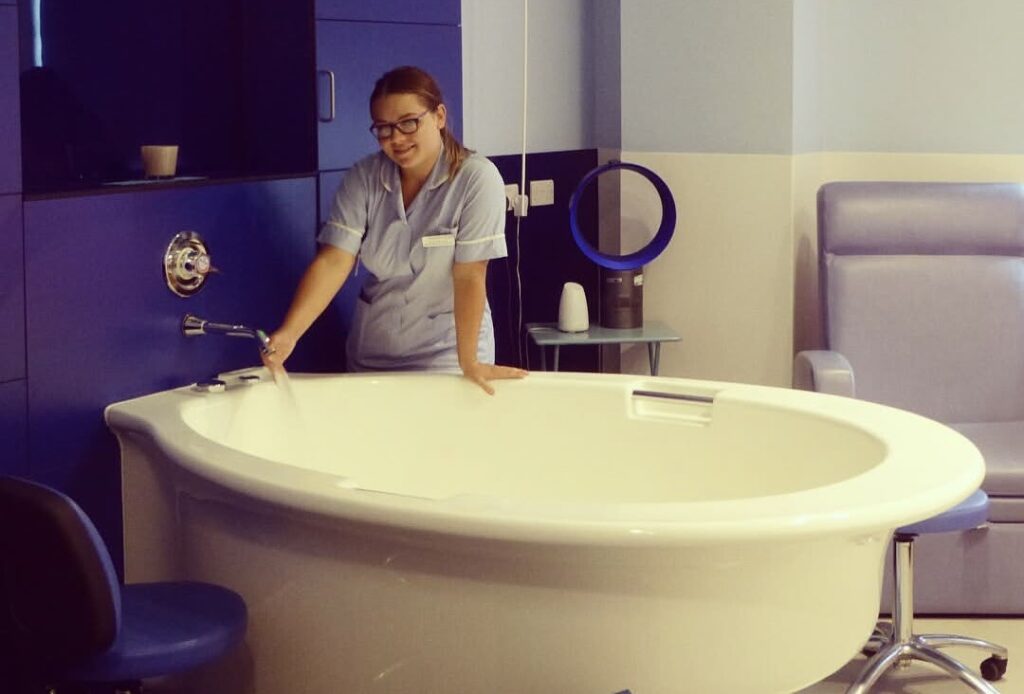
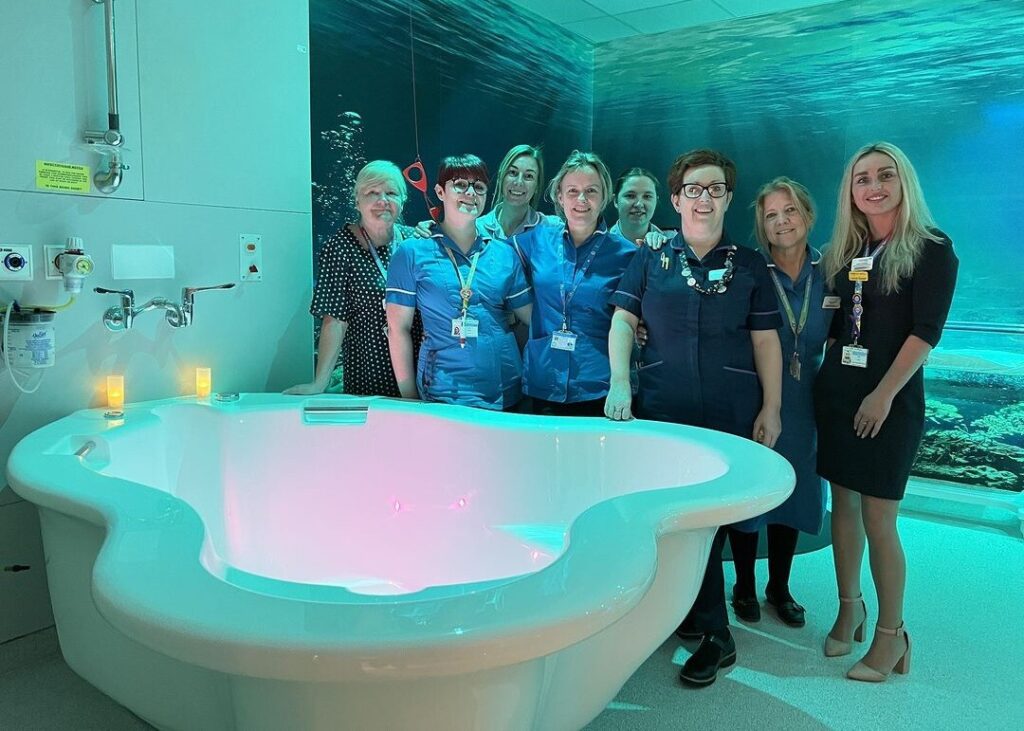
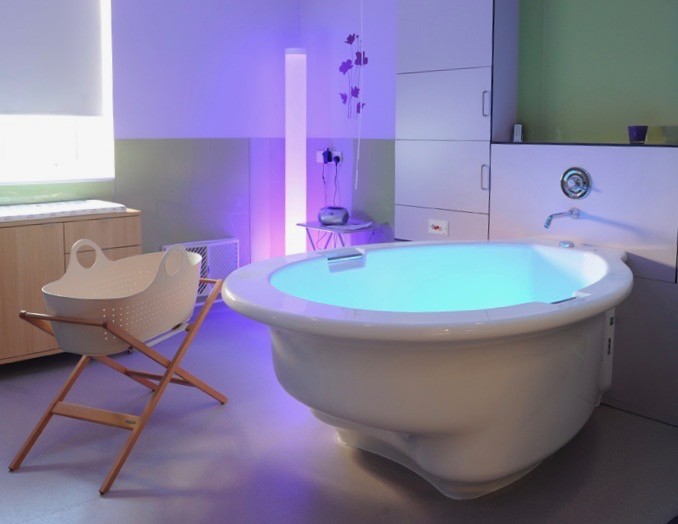
A well-considered birthing pool provides sufficient depth to float, enough space to move freely, secure places to hold and rest, and an internal form that supports rather than dictates how a woman labours.
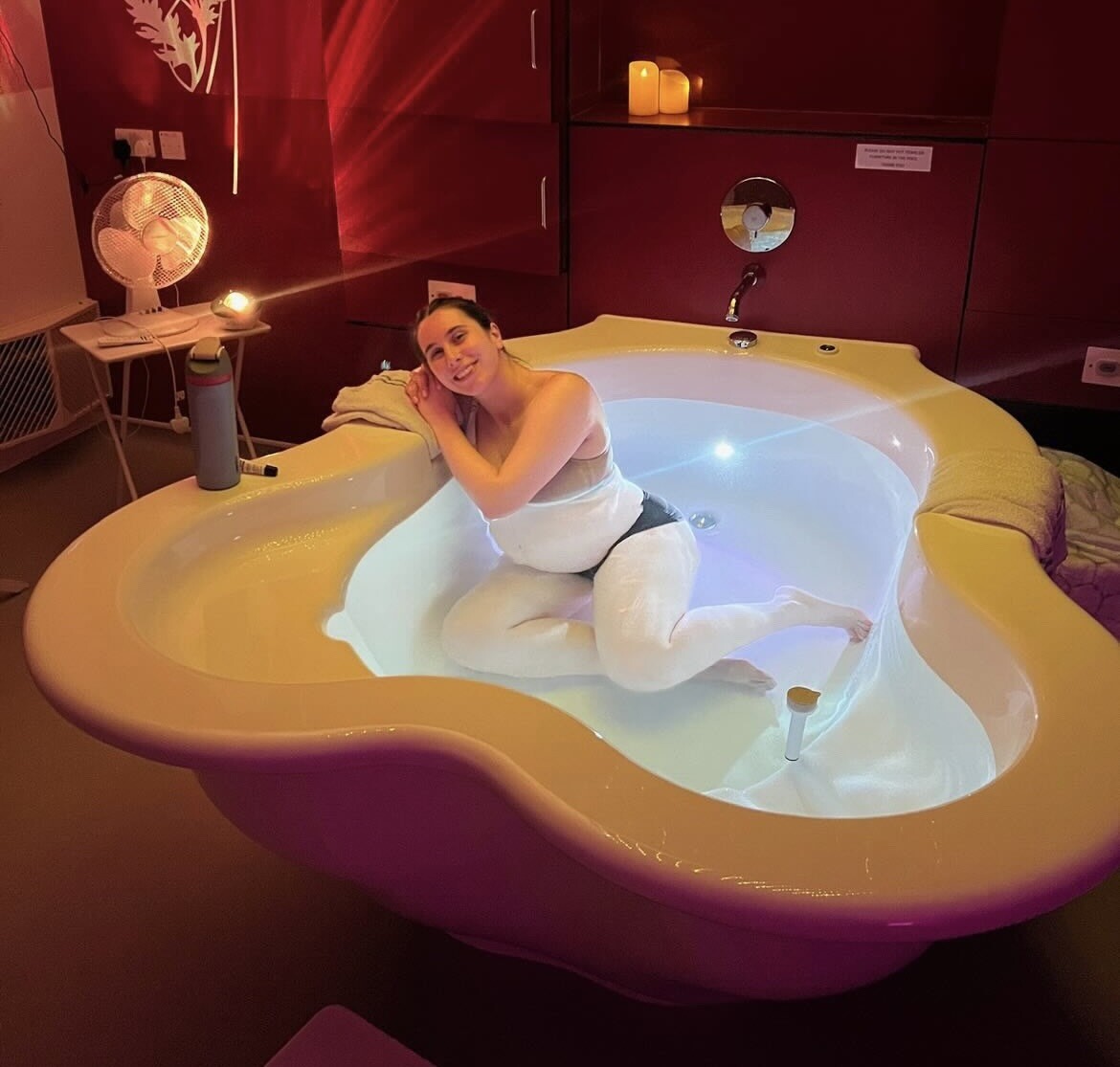
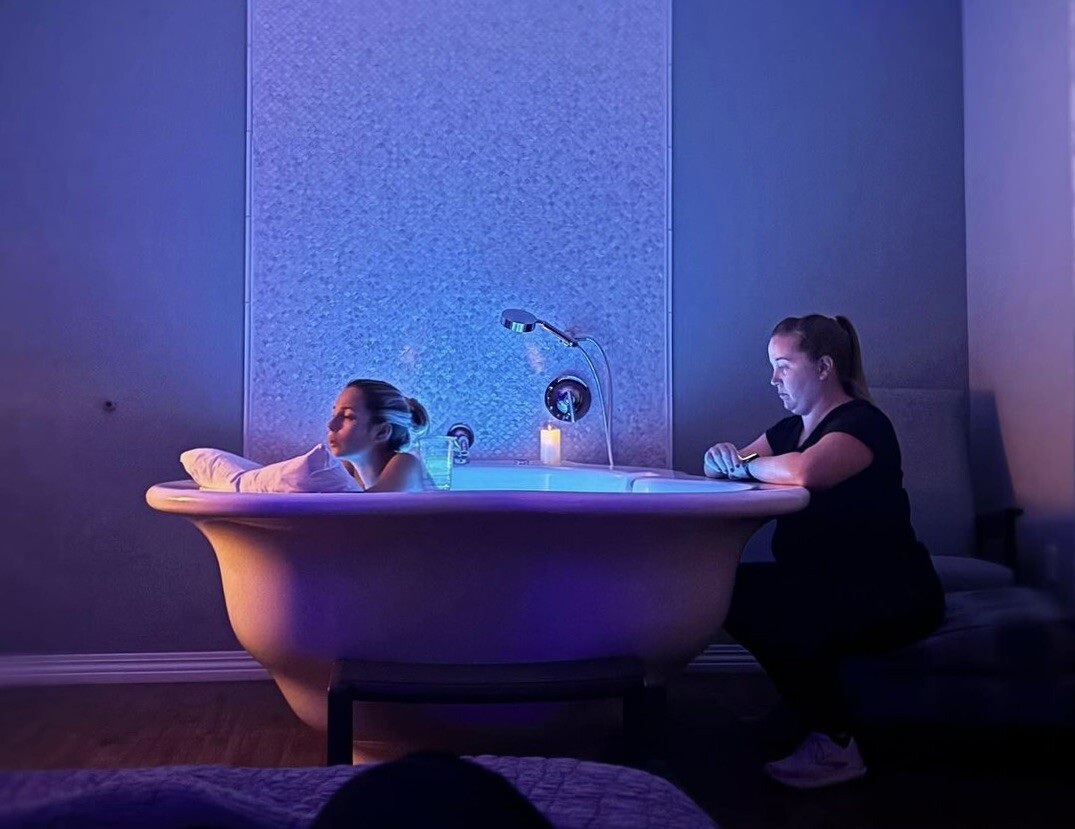
At the same time, it must work equally well from the midwife’s side of the pool, allowing good visibility, practical access and attentive care without unnecessarily intruding on the mother’s space.
She should simply discover that she can float, move, rest, turn, brace herself and find the position that feels right.
The best-designed birthing pool is one whose design almost disappears, leaving the mother with what matters most: the water, the freedom to move and a space in which to labour.
That is the intelligence of thoughtful design.
References
- National Institute for Health and Care Excellence. Intrapartum care. NICE Guideline NG235. Published September 2023; updated June 2026.
- Cluett ER, Burns E, Cuthbert A. Immersion in water during labour and birth. Cochrane Database of Systematic Reviews. 2018;(5):CD000111. DOI: 10.1002/14651858.CD000111.pub4.
- Burns E, Feeley C, Hall PJ, Vanderlaan J. Systematic review and meta-analysis to examine intrapartum interventions and maternal and neonatal outcomes following immersion in water during labour and waterbirth. BMJ Open. 2022;12:e056517. DOI: 10.1136/bmjopen-2021-056517.
- Feeley C, Cooper M, Burns E. A systematic meta-thematic synthesis to examine the views and experiences of women following water immersion during labour and waterbirth. Journal of Advanced Nursing. 2021;77(7):2942–2956. DOI: 10.1111/jan.14720.
- Women’s experiences of waterbirth: A systematic review with narrative synthesis. Systematic review examining women’s experiences of waterbirth, including control, empowerment, intimacy, relaxation, movement and pool design.