
Sustainability starts with choosing the right product
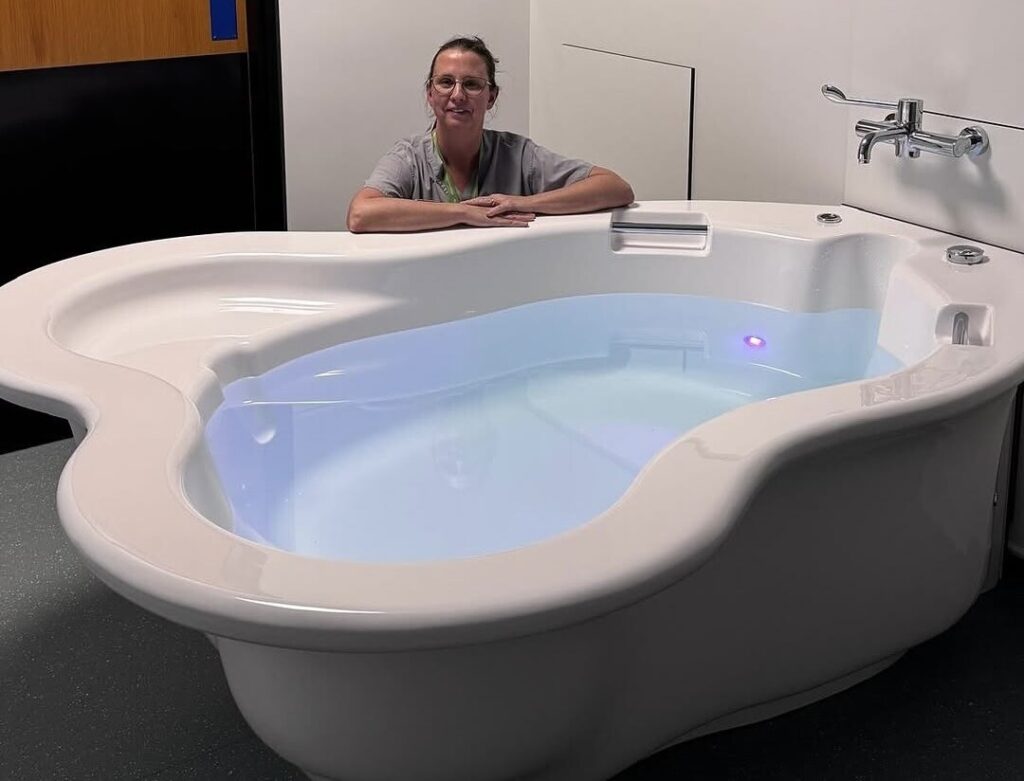
When hospitals assess the sustainability of a water birth pool, the discussion should not begin and end with the purchase price.
A hospital birth pool is a long-term item of healthcare sanitary ware. It will be installed in a demanding maternity environment, filled and emptied repeatedly, cleaned and disinfected frequently, used by many mothers and midwives, and expected to support safe, efficient care for many years.
For this reason, sustainability must be assessed over the whole life of the product.
A cheaper pool that requires regular repair, becomes difficult to clean, loses surface integrity, creates maintenance issues or needs replacing after a relatively short service life may prove far less sustainable than a higher-quality pool designed to last for decades.
True sustainability is about durability, safety, hygiene, repairability, operational efficiency and long-term value. [1]

Why life cycle value matters in maternity units
Hospitals do not simply buy birth pools. They create water birth facilities.
That means the pool has to work within a clinical room, connect safely with hospital water systems, support mothers in labour, allow midwives to work comfortably, enable effective cleaning, and remain reliable throughout years of use.
The real cost of a birth pool therefore includes:
- the purchase price;
- installation and room preparation;
- maintenance;
- cleaning and disinfection;
- water safety management;
- staff time;
- downtime;
- repairs;
- replacement;
- disposal;
- the effect on room usability and service quality.
A product that appears cheaper at the point of purchase can become expensive if it compromises any of these areas.
By contrast, a pool designed for long-term hospital use can reduce waste, avoid premature replacement, support safer working practice and provide better value over its lifetime. [4]
Built from Ficore® composite for long-term use
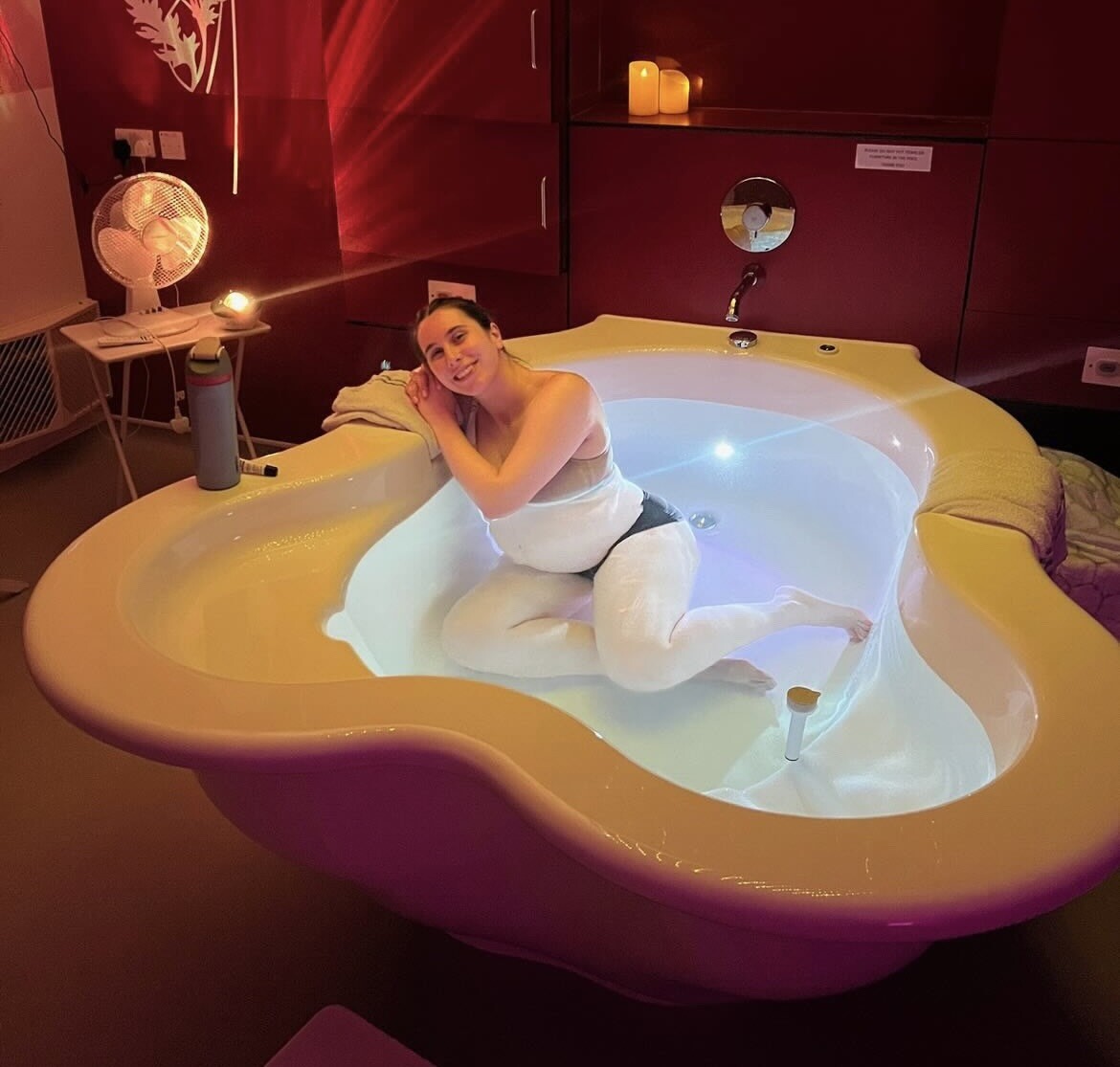
Active Birth Pools are made from Ficore® composite, a proprietary material developed for the demands of professional maternity use.
Ficore® is central to the sustainability and life cycle value of our pools because it provides the strength, durability, surface quality and design freedom required for hospital birth environments. [2,3]
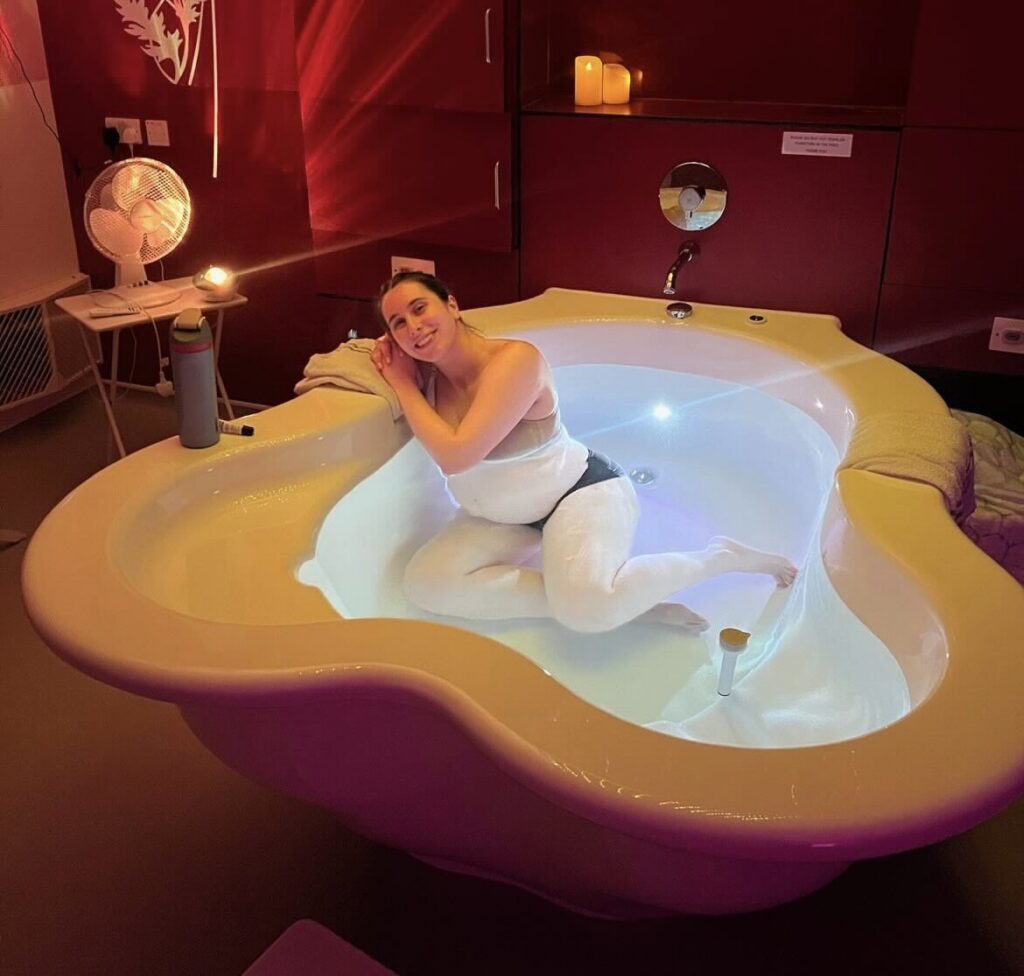
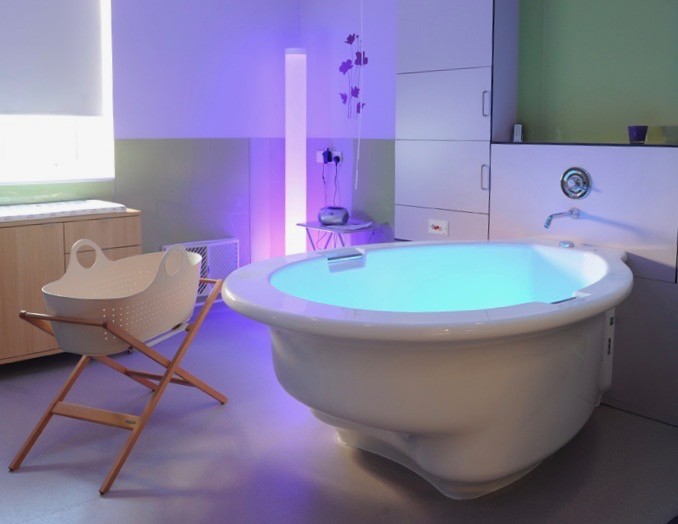
Unlike ordinary bath materials, Ficore® allows us to create highly sculpted, one-piece ergonomic forms with smooth, continuous surfaces and integral support features.
his is important because a hospital birth pool must do more than hold water. It must support movement, comfort, access, cleaning, midwife ergonomics and risk reduction.
Ficore® also has important performance advantages over fibreglass and acrylic. It is strong, durable, warm to the touch, highly resistant to damage, and able to withstand the repeated cleaning and disinfection required in hospital use.
Its highly polished surface is more tactile and, importantly, Ficore® has a greater adhesive factor and is less slippery / more slip resistant than fibreglass or acrylic. [2,3]
This comparative surface performance is important in a wet environment where mothers need to feel secure and supported while entering, leaving and moving within the pool.
Durability reduces waste
One of the simplest principles of sustainable procurement is to avoid unnecessary replacement.
A product that lasts longer creates less waste. It also reduces the environmental and financial costs associated with repeated manufacture, shipping, installation, removal and disposal.
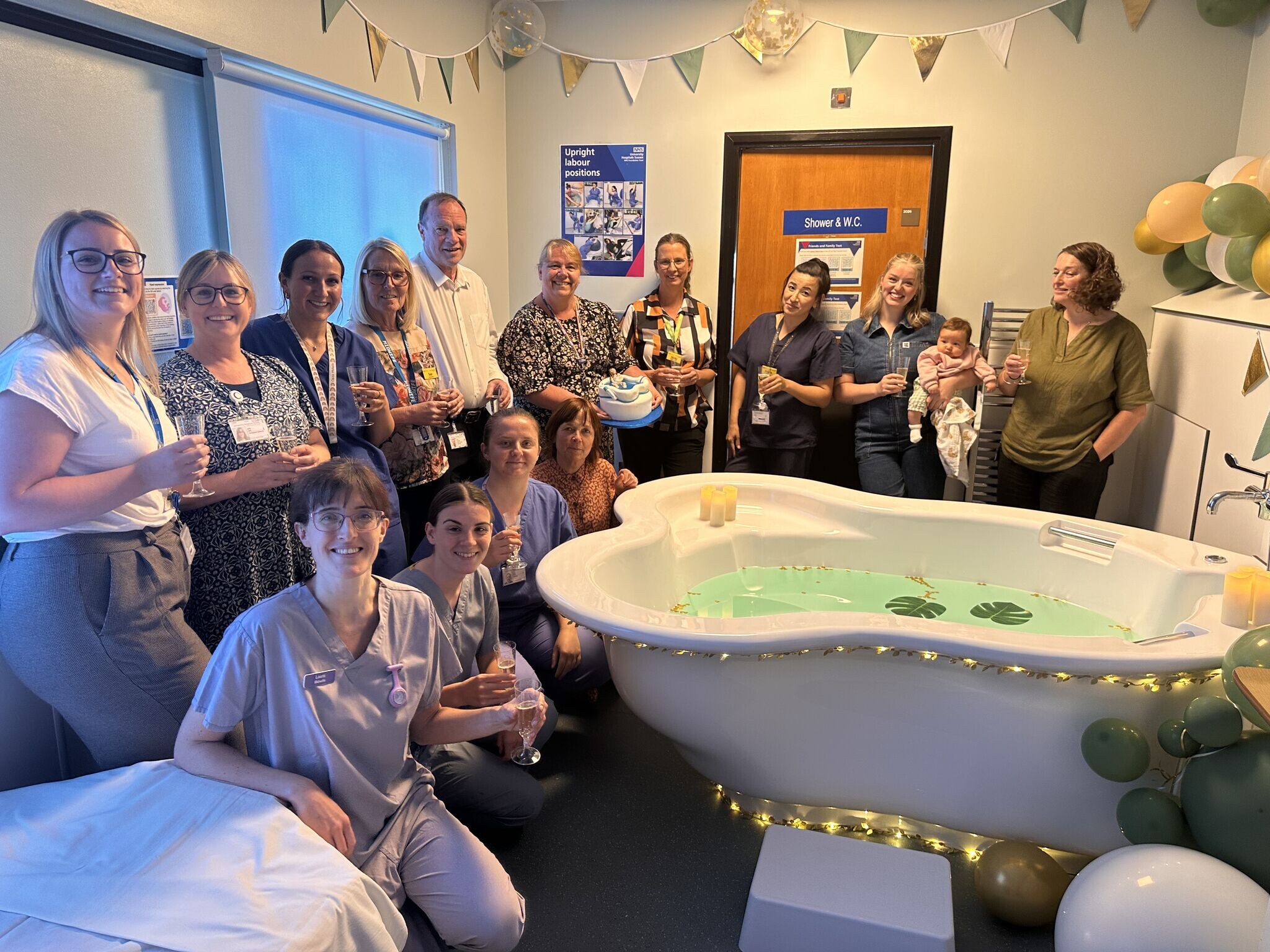
Active Birth Pools are designed for decades of use in hospitals and maternity units. The older value and sustainability assessment stated a life expectancy of over 25 years, and Active Birth Pools continue to position long service life as a major advantage of Ficore® composite construction. [1,3]
This matters because birth pool replacement is not only a product cost. It can also involve disruption to maternity services, room downtime, contractor work, infection-control considerations and additional procurement activity.
When durability is built into the product from the beginning, sustainability is built into the whole room.
Smooth surfaces support cleaning and hygiene
Sustainability in healthcare cannot be separated from hygiene.
A water birth pool must be easy to clean, resistant to surface degradation and suitable for repeated disinfection. If the surface becomes damaged, roughened, cracked or difficult to clean, the pool may create avoidable maintenance and infection-control concerns.
NICE recommends that baths and birthing pools should be kept clean using a protocol agreed with the local microbiology department or infection-control guidance, and that birthing pools should also be cleaned in accordance with the manufacturer’s guidelines. [5,6]
This places practical importance on the surface material, the shape of the pool and the avoidance of unnecessary dirt traps.
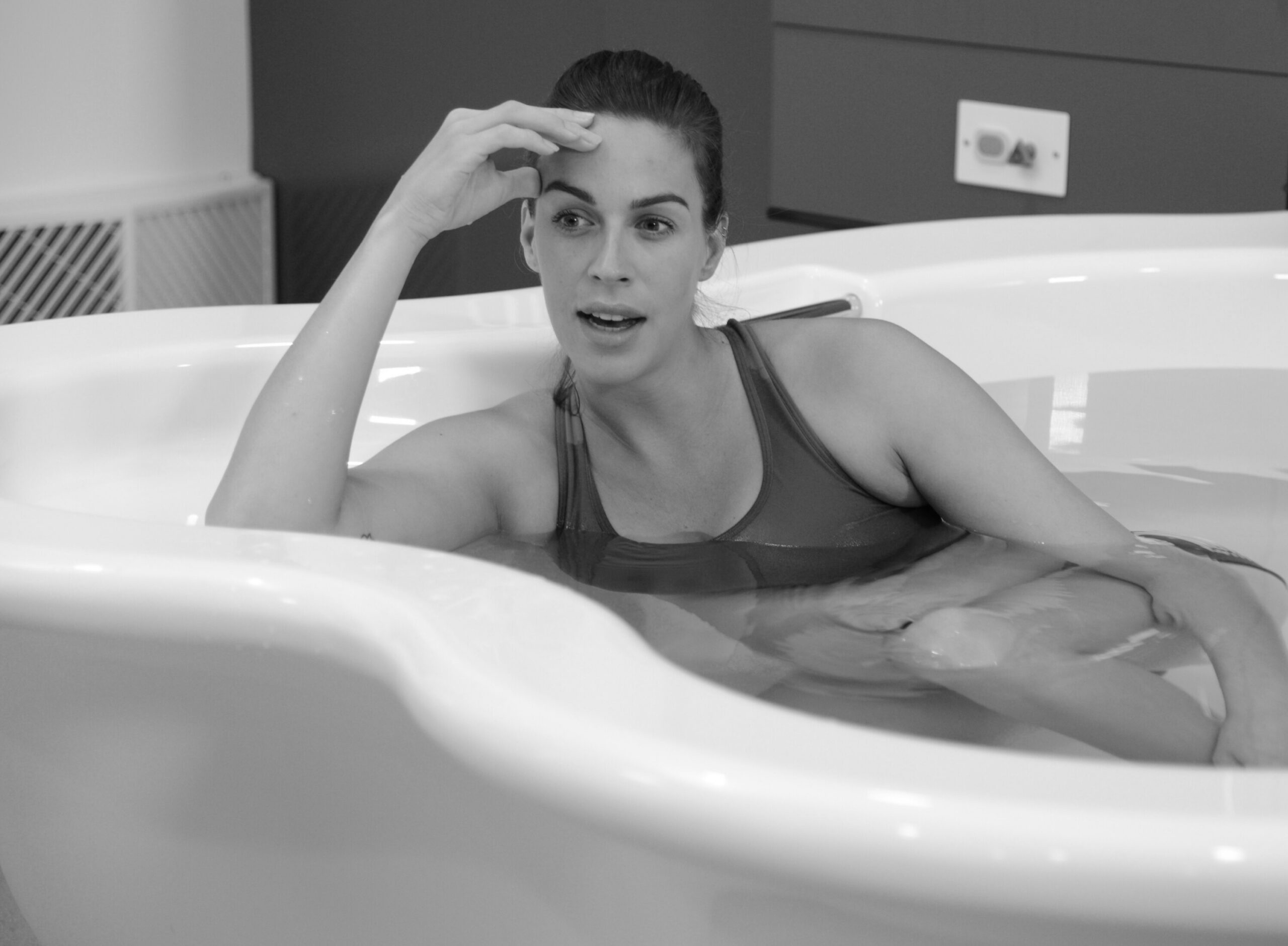
Active Birth Pools are made as seamless, one-piece forms from Ficore® composite. The smooth, non-porous surface and absence of unnecessary surface-mounted fittings help make cleaning easier and more reliable. [2,3]
A pool that is easier to clean can support better room turnaround, reduce staff frustration and help maternity teams maintain confidence in the facility.
Water safety and hospital infrastructure
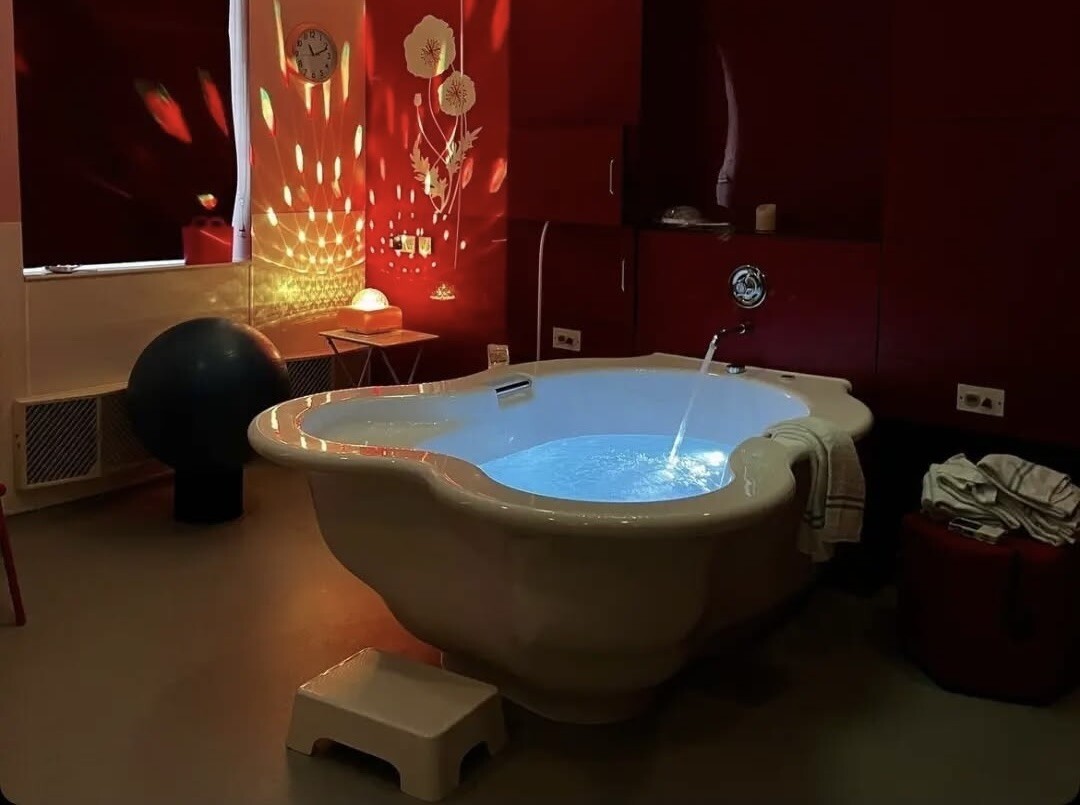
Hospital birth pools must also be considered in the context of healthcare water safety.
NHS England HTM 04-01 gives guidance on the legal requirements, design, installation, maintenance and operation of hot and cold water systems in healthcare premises. It is written for healthcare management, Water Safety Groups, design engineers, estate managers, operations managers, contractors and supply chain businesses. [8]
The Health and Safety Executive also identifies hot and cold water systems as a foreseeable source of legionella risk and highlights the importance of understanding system design, dead legs, outlets, thermostatic mixer valves and temperature control. [9,10]
For birth pools, this makes correct specification essential.
The most sustainable solution is not one with complicated integral plumbing, recirculation systems or difficult-to-access pipework. The most sustainable solution is one that supports safe, simple, maintainable hospital water services and avoids unnecessary systems that are difficult to clean, monitor or manage.
A well-designed birth pool should work with the hospital’s water-safety strategy, not against it.
 Supporting NHS net-zero and social value goals
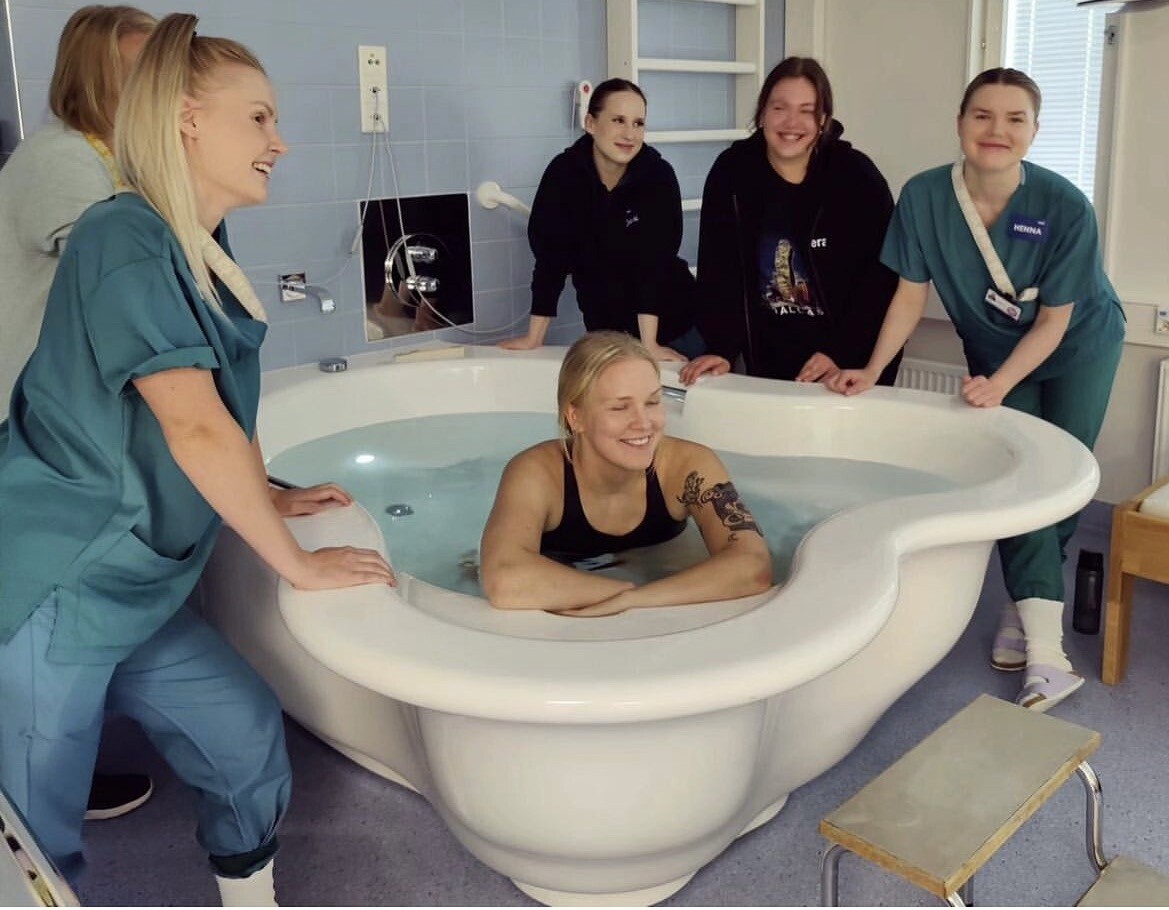
The NHS has committed to reaching net zero for the emissions it controls directly by 2040, and for the emissions it can influence by 2045. NHS procurement now places increasing emphasis on net zero, social value, carbon reduction planning and responsible supply chains. [11,12]
The NHS Net Zero Building Standard also provides technical guidance to support sustainable, resilient and energy-efficient healthcare buildings. [13]
This means that maternity-unit decisions should not focus only on capital cost.
They should also consider:
- product lifespan;
- embodied carbon spread over years of service;
- repairability;
- replacement frequency;
- waste reduction;
- operational efficiency;
- water and energy considerations;
- supplier responsibility;
- local production and transport impacts;
- contribution to staff wellbeing and service quality.
Active Birth Pools are hand-built to order in England from Ficore® composite. This supports skilled manufacturing, reduces reliance on disposable or short-life products, and aligns with a procurement approach that values quality, durability and responsible long-term performance. [1,3]
Sustainability also means protecting staff
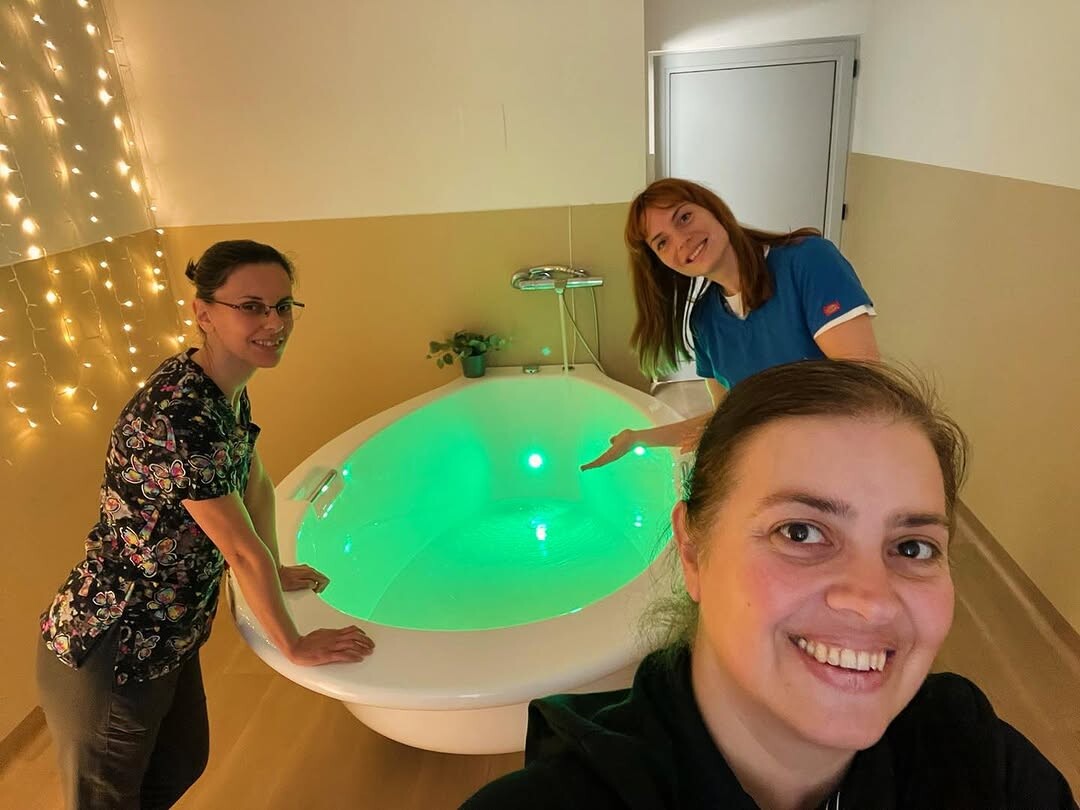
A sustainable maternity service must protect the people who deliver care.
Birth pools that are awkward to use, difficult to access, poorly shaped or uncomfortable for midwives can contribute to strain, poor posture and inefficient working practice.
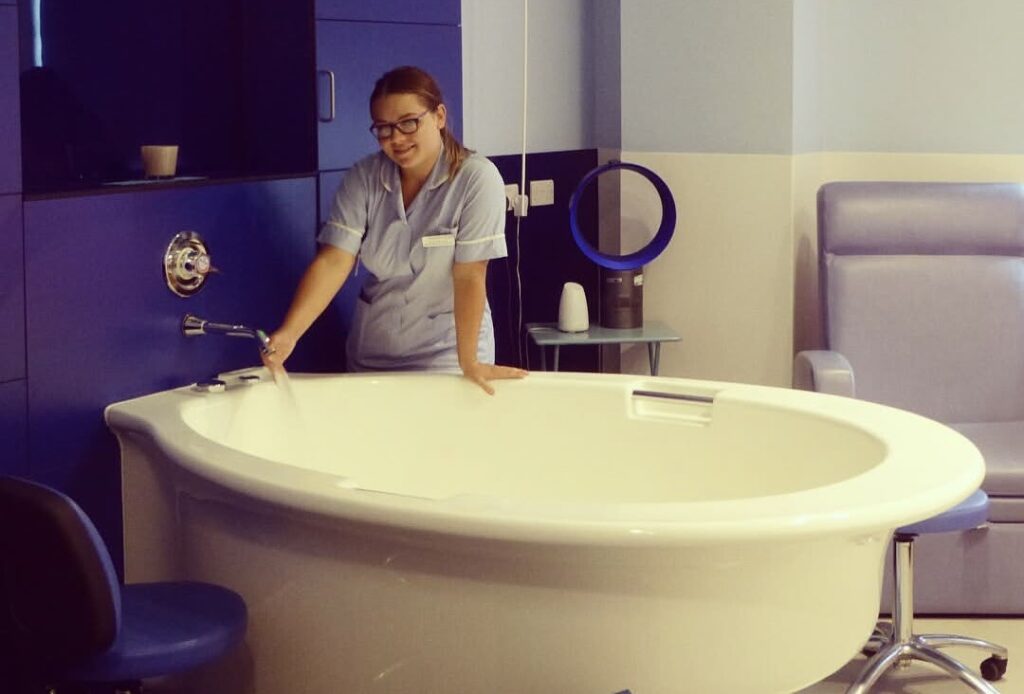
Active Birth Pools are designed around the needs of both mothers and midwives. Their ergonomic forms support freedom of movement for mothers while helping midwives maintain better working positions around the pool.
This is not an optional design extra. It is part of the life cycle value of the product.
A well-designed pool can support better staff experience, reduce avoidable physical strain and help maternity teams use the room with confidence. Over the life of the installation, those benefits matter.
The value of a better birth environment
NICE recommends offering women the opportunity to labour in water for pain relief. NICE also recommends supporting women and pregnant people with mobility issues to access water during labour and birth by carrying out an individualised needs assessment and making reasonable adjustments. [5,6]
This strengthens the case for maternity units to provide water birth facilities that are safe, accessible and suitable for a wide range of users.
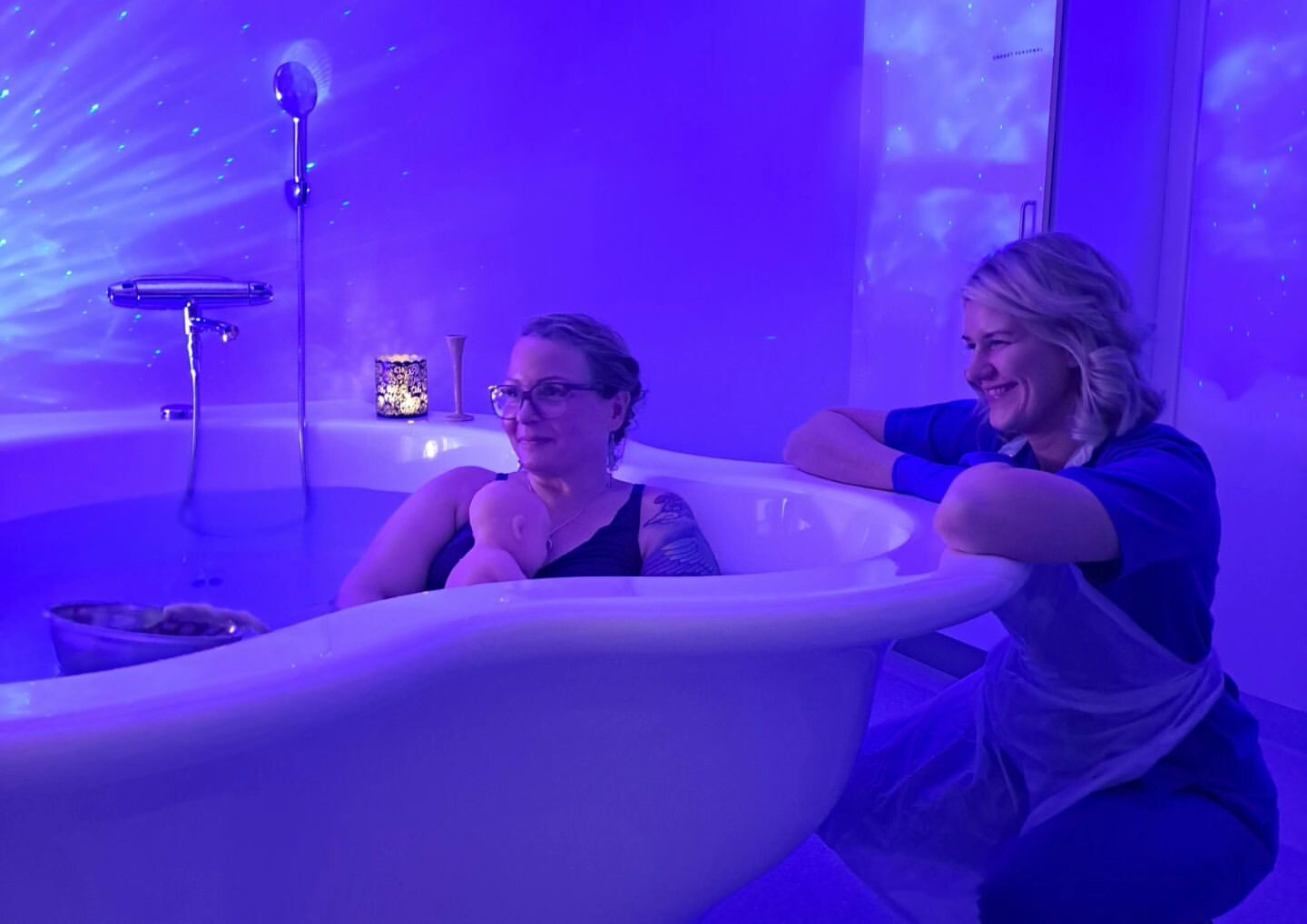
A high-quality water birth pool can help create a calmer, more dignified and more supportive birth environment. It gives mothers space to move, change position, relax and feel secure. It gives midwives better access and a safer working relationship with the pool.
These are not just comfort benefits. They are part of a broader quality-of-care argument.
A birth pool that performs well for mothers, midwives and the hospital estate can support safety, dignity, choice, efficiency and reputation.

Why the lowest price is rarely the best value
Procurement teams are under pressure to obtain value for money. But value for money should never be confused with lowest initial cost.
A hospital birth pool should be assessed in the same way as other long-life healthcare infrastructure: by whole-life value.
The right questions are:
- How long is the pool expected to last?
- What is the material made from?
- Is the surface durable and easy to clean?
- Is the pool resistant to repeated disinfection?
- Does the design reduce risk?
- Does it support safe entry and exit?
- Does it help midwives work comfortably?
- Does it avoid unnecessary fittings, dirt traps and water-safety complications?
- Can it be repaired if damaged?
- Is technical support available before, during and after installation?
- What is the cost of replacing a cheaper product earlier?
When these questions are asked, the case for long-life, hospital-grade design becomes clear.

It is achieved by choosing a pool that is built to last, easy to clean, safe to use, supportive for mothers, practical for midwives, compatible with hospital water-safety requirements and capable of delivering value over decades.
Active Birth Pools are designed around these principles.
Made from Ficore® composite, hand-built to order in England and engineered for the realities of maternity care, they provide exceptional life cycle value by combining durability, hygiene, ergonomic design, safety and long-term performance.
For hospitals, this means fewer compromises.
For procurement teams, it means better value.
For estates teams, it means a more robust and maintainable facility.
For midwives, it means a safer and more comfortable working environment.
For mothers, it means a more secure, supportive and dignified place to labour and give birth.
The most sustainable birth pool is the one that continues to perform safely, hygienically and confidently year after year.
That is the purpose of Active Birth Pools.
References
[1] Active Birth Pools. Active Birth Pools: Value and Sustainability. Blog article, 27 February 2023. https://activebirthpools.com/active-birth-pools-value-and-sustainability/
[2] Active Birth Pools. Superior Material Results in Superior Safety, Value and Performance: Why Ficore® Composite Is the Better Material for Hospital Water Birth Pools. Blog article, 25 May 2026. https://activebirthpools.com/superior-material-results-in-superior-safety-value-and-performance/
[3] Active Birth Pools. Ficore® Composite Material Assessment. Active Birth Pools / Design & Form, 2026. https://activebirthpools.com/downloads/
[4] Active Birth Pools. The Economic Impact of Water Birth Pools in Hospitals. https://activebirthpools.com/economic-impact-water-birth-pools-hospitals/
[5] NICE. Intrapartum care. NICE guideline NG235. https://www.nice.org.uk/guidance/ng235
[6] NICE. Intrapartum care NG235: Recommendations on labouring in water, pool cleaning, water temperature and reasonable adjustments for access to water. https://www.nice.org.uk/guidance/ng235/chapter/Recommendations
[7] NICE. Appendix D: Benefits and risks of birth out of water and water birth. NICE guideline NG235. https://www.nice.org.uk/guidance/ng235/resources/appendix-d-benefits-and-risks-of-birth-out-of-water-and-water-birth-pdf-13109231167
[8] NHS England. Health Technical Memorandum 04-01: Safe water in healthcare premises. Updated 27 August 2024. https://www.england.nhs.uk/publication/safe-water-in-healthcare-premises-htm-04-01/
[9] Health and Safety Executive. Managing legionella in hot and cold water systems. Updated 13 January 2026. https://www.hse.gov.uk/healthservices/legionella.htm
[10] Health and Safety Executive. Hot and cold water systems. Updated 28 October 2024. https://www.hse.gov.uk/legionnaires/hot-and-cold.htm
[11] NHS England. Greener NHS: Suppliers and the NHS Net Zero Supplier Roadmap. https://www.england.nhs.uk/greenernhs/get-involved/suppliers/
[12] NHS England. NHS Net Zero Supplier Roadmap 2024. https://www.england.nhs.uk/greenernhs/wp-content/uploads/sites/51/2024/04/NHS-Net-Zero-Supplier-Roadmap-2024.pdf
[13] NHS England. NHS Net Zero Building Standard. Published 22 February 2023. https://www.england.nhs.uk/wp-content/uploads/2023/02/B1697-NHS-Net-Zero-Building-Standards-Feb-2023.pdf
[14] Active Birth Pools. Award-Winning Hospital Grade Water Birth Pools. https://activebirthpools.com/