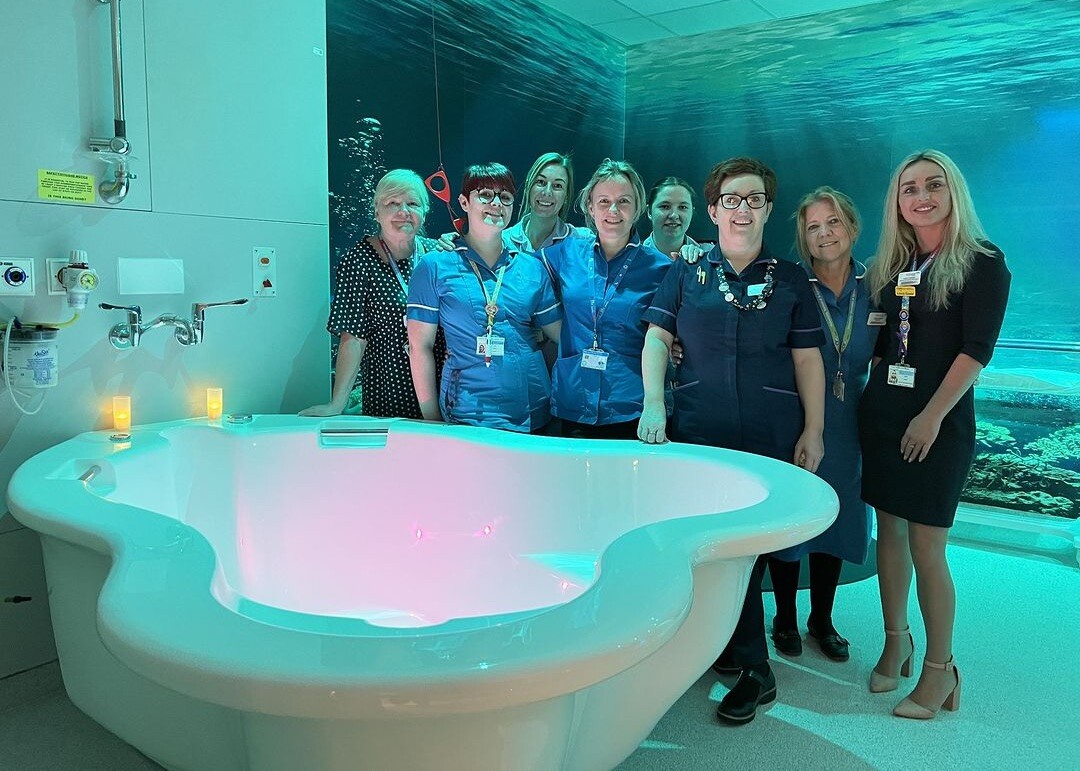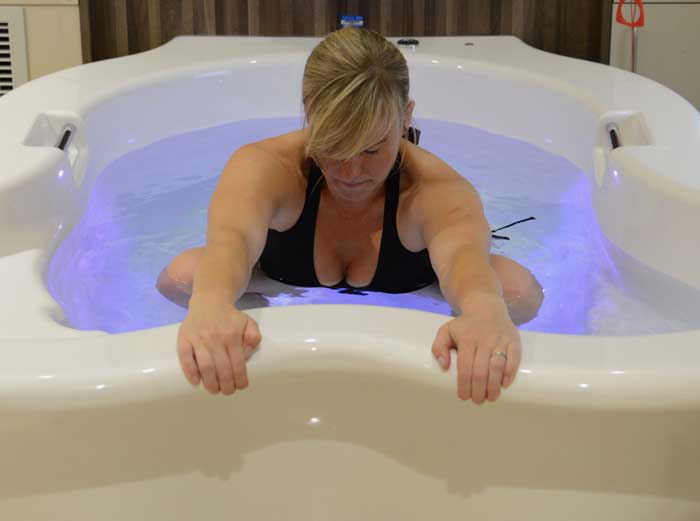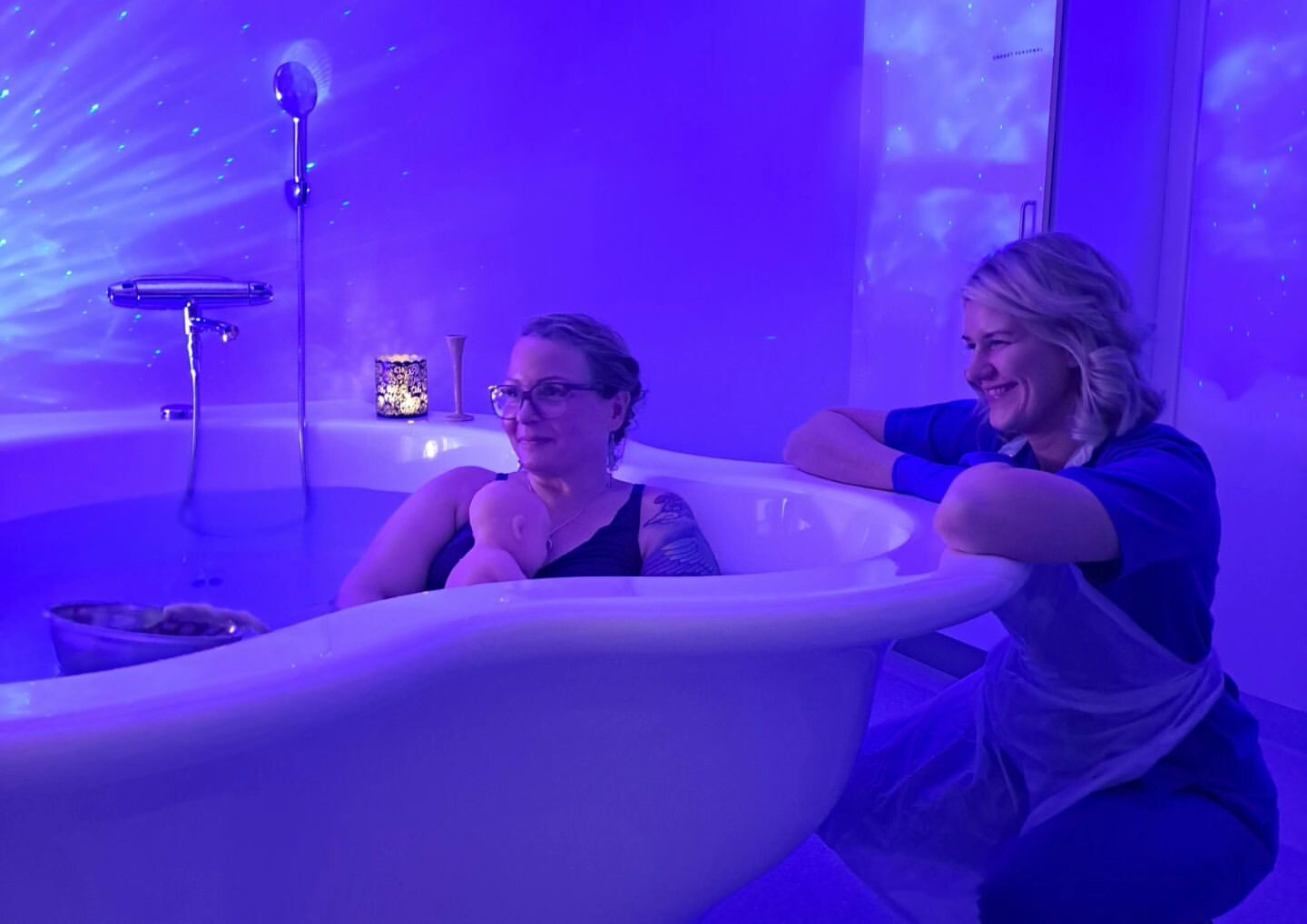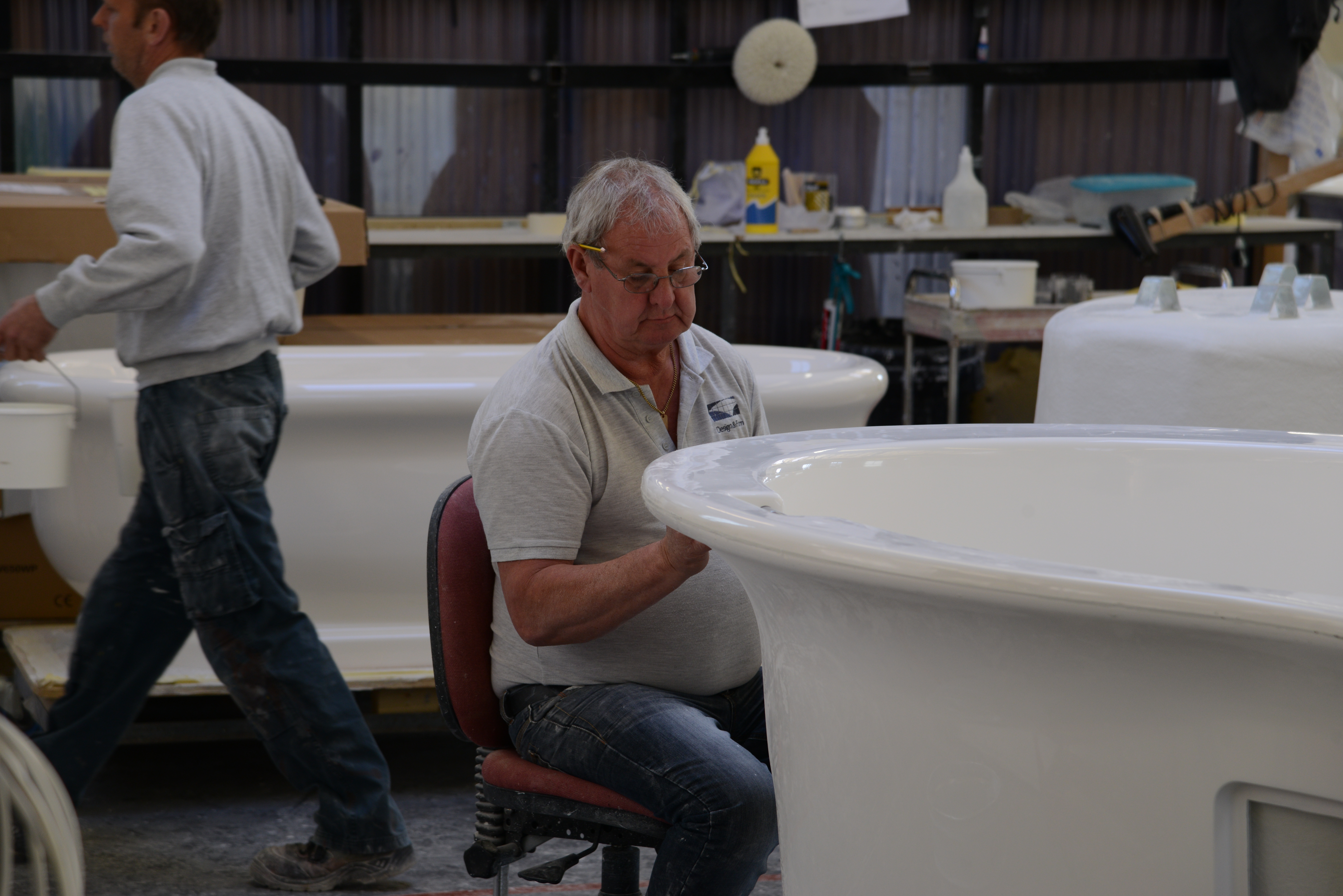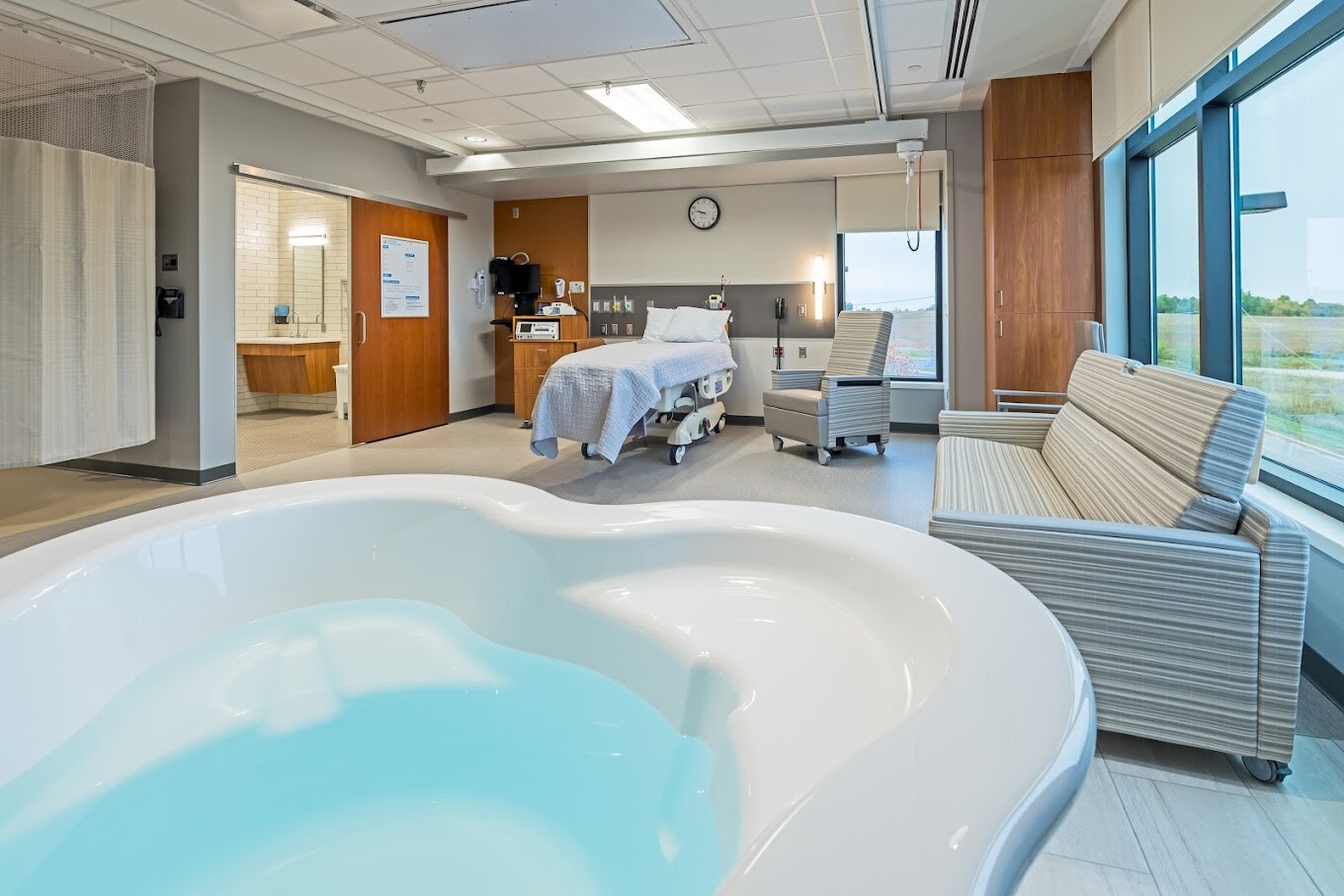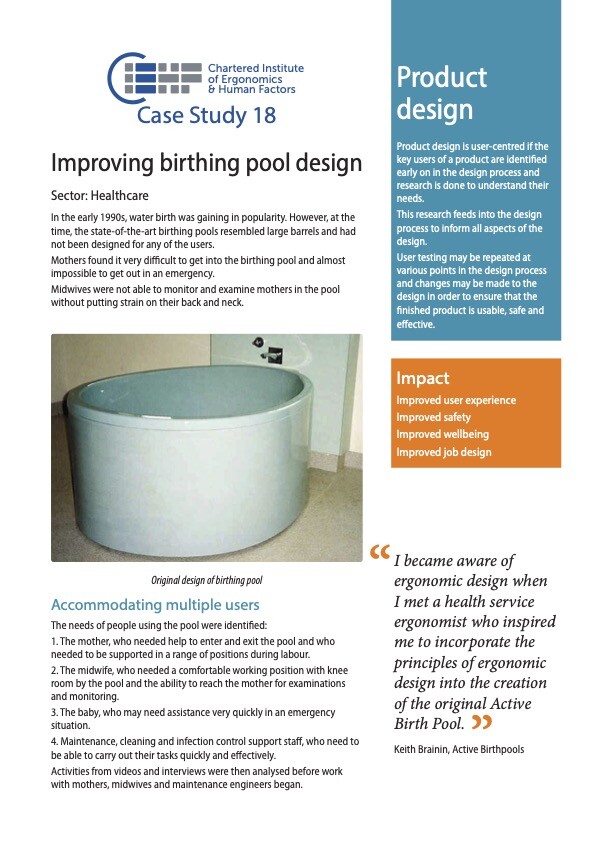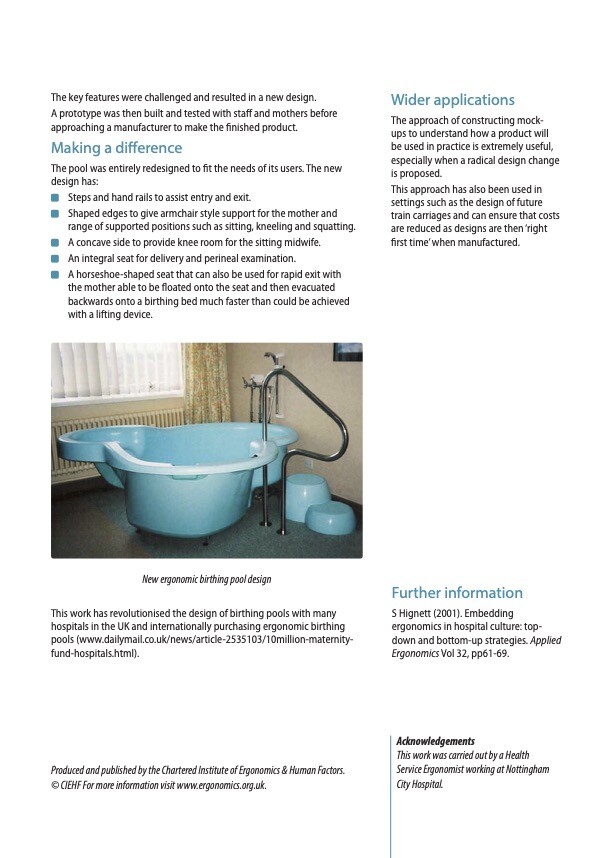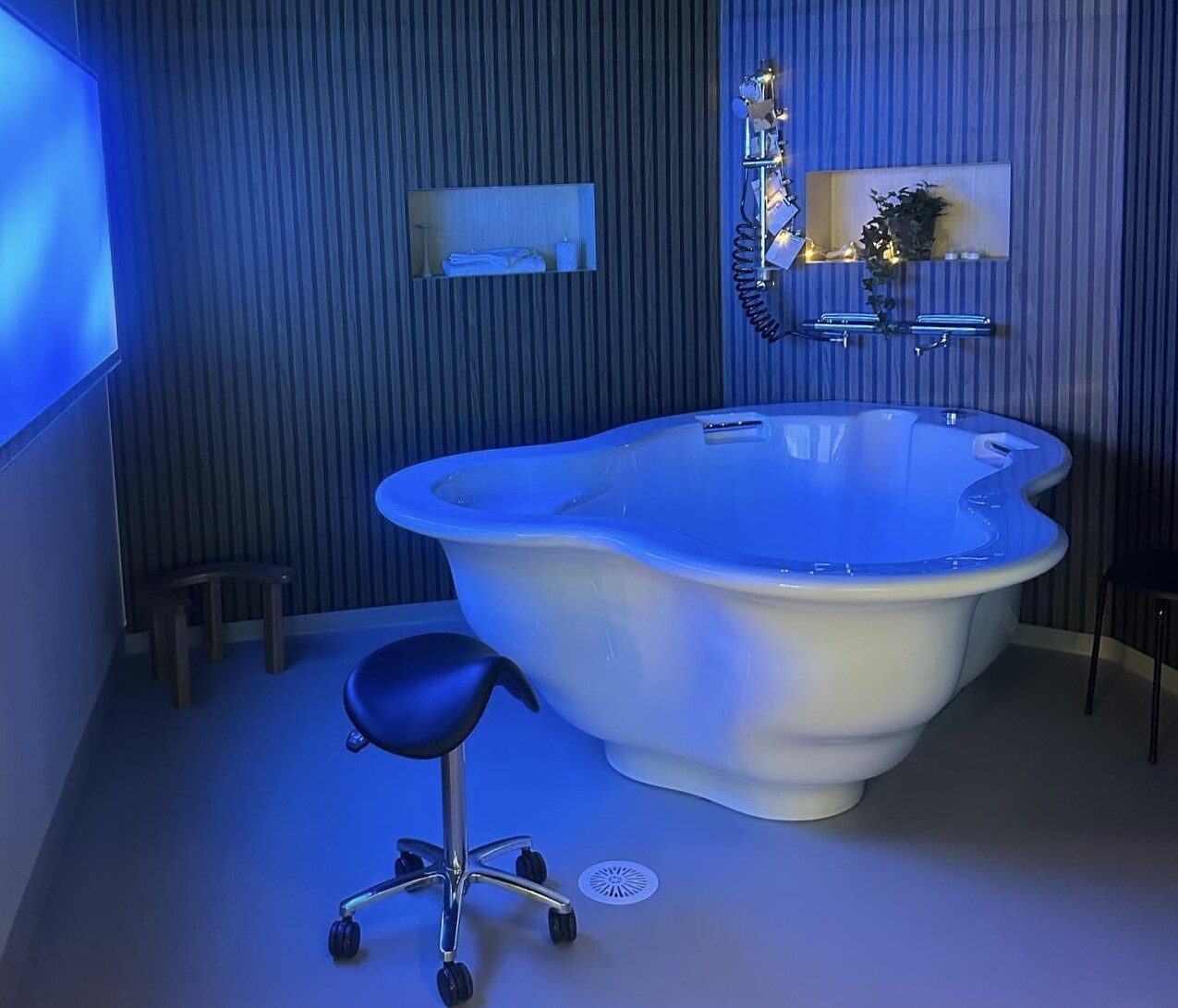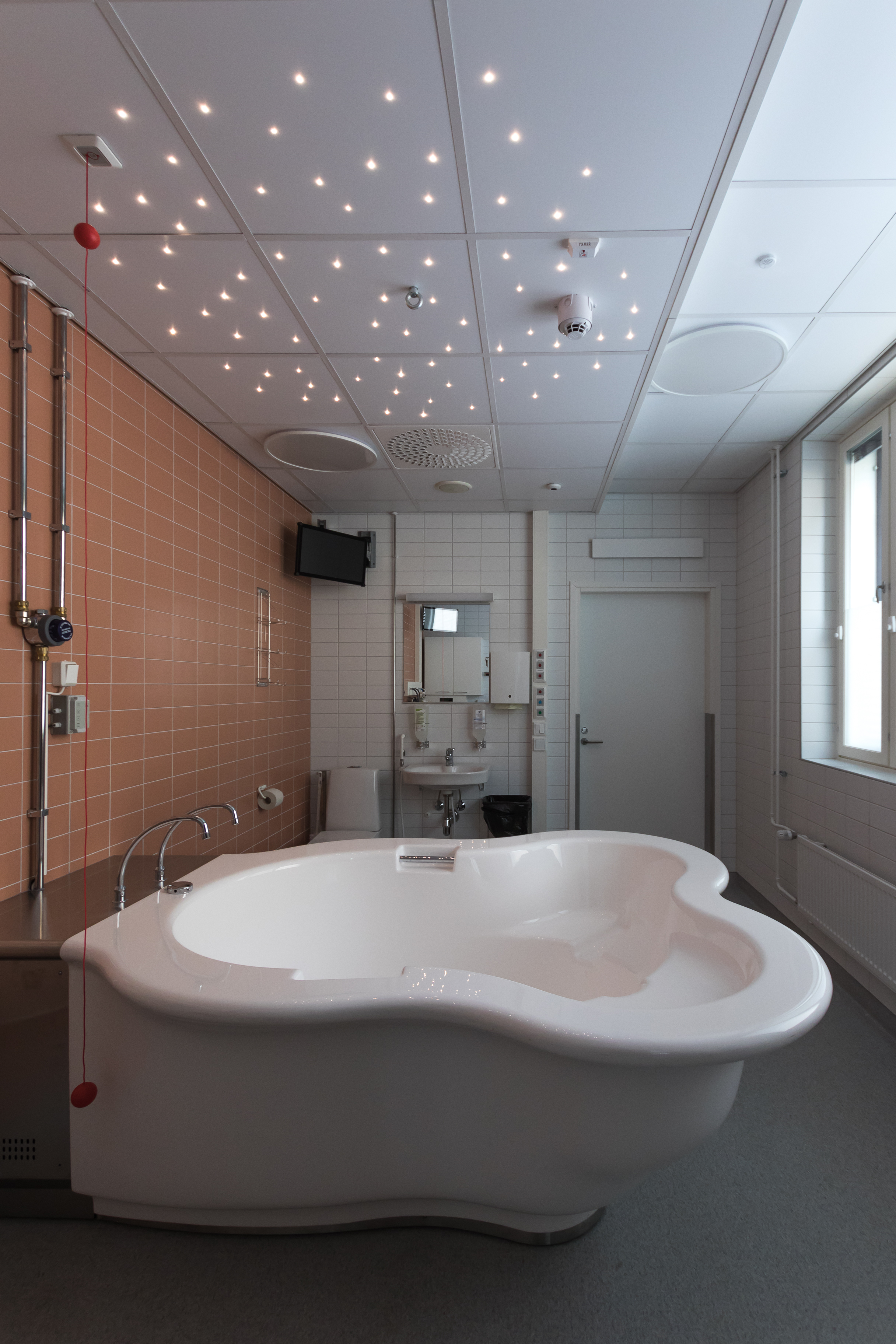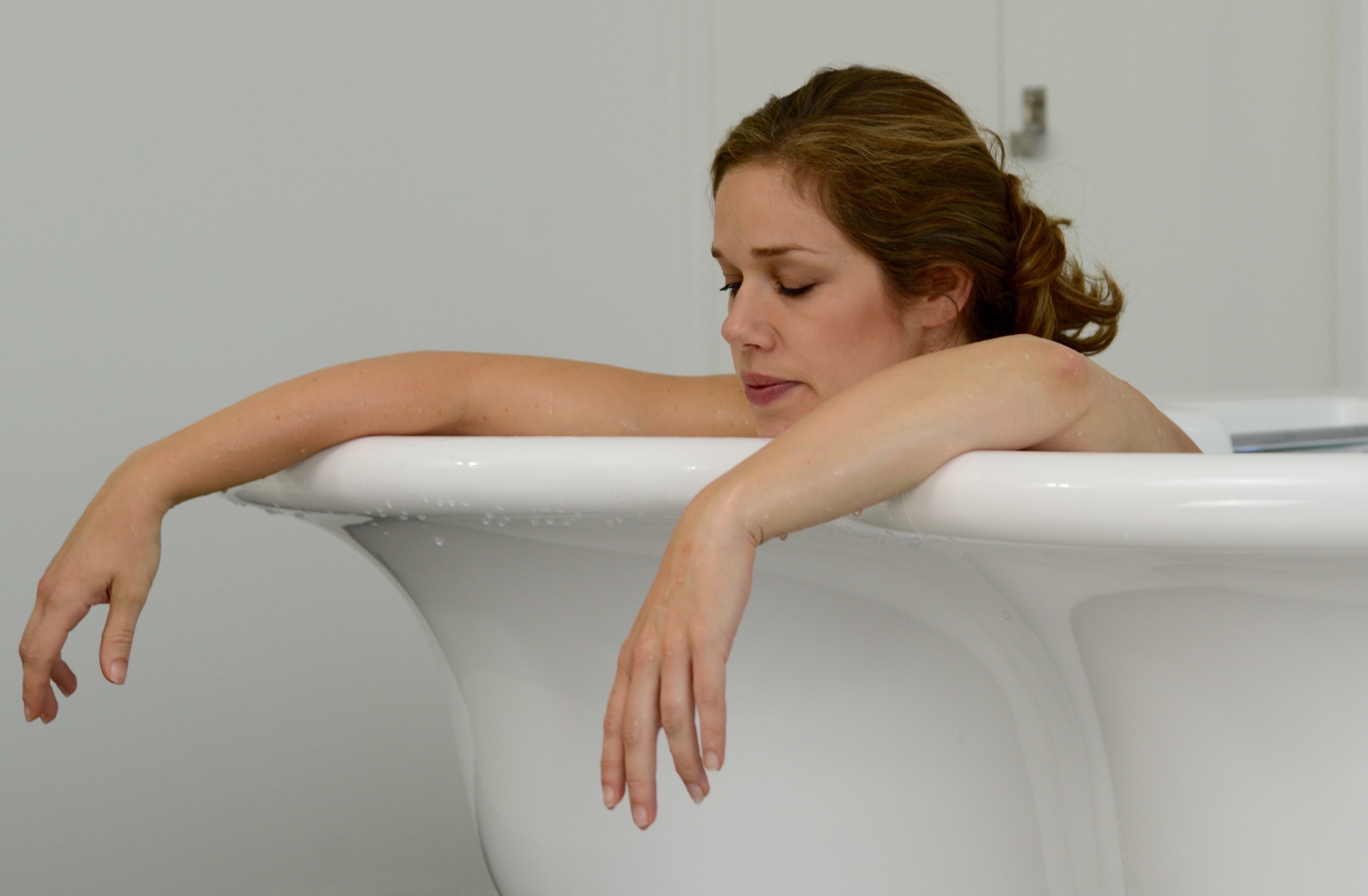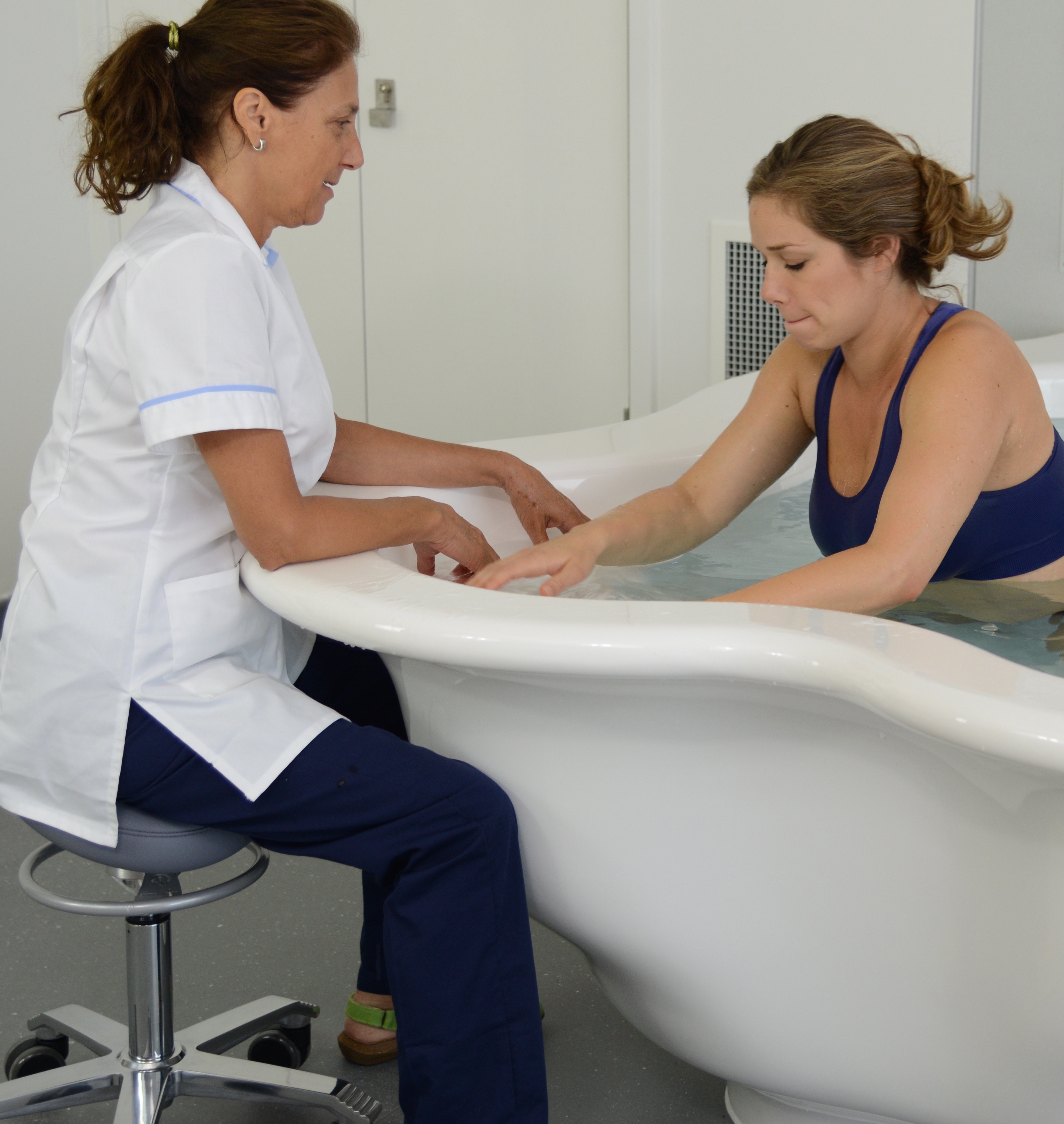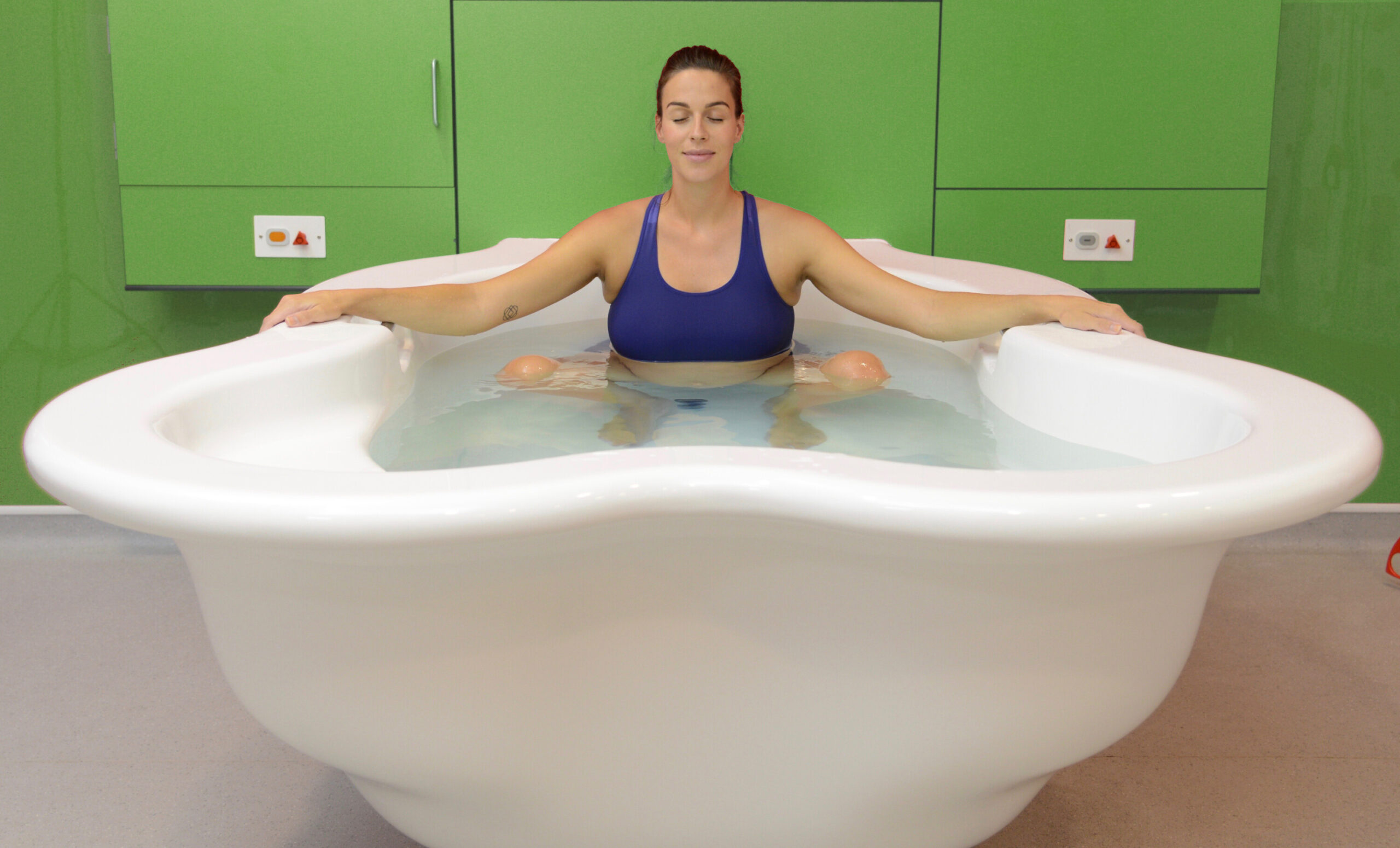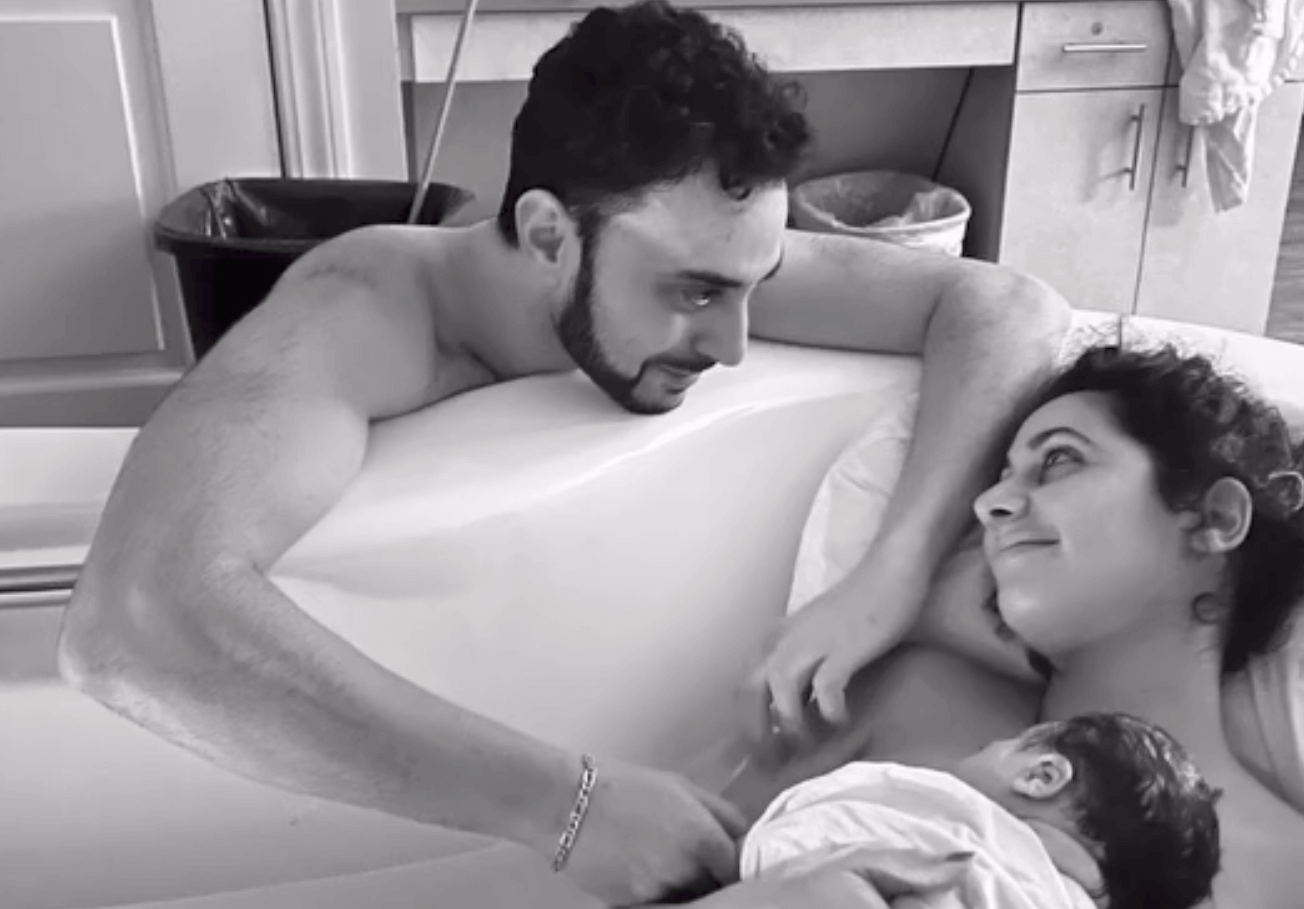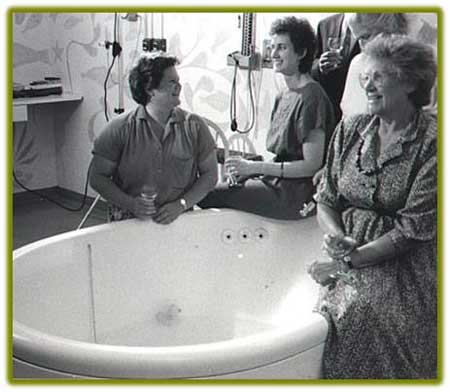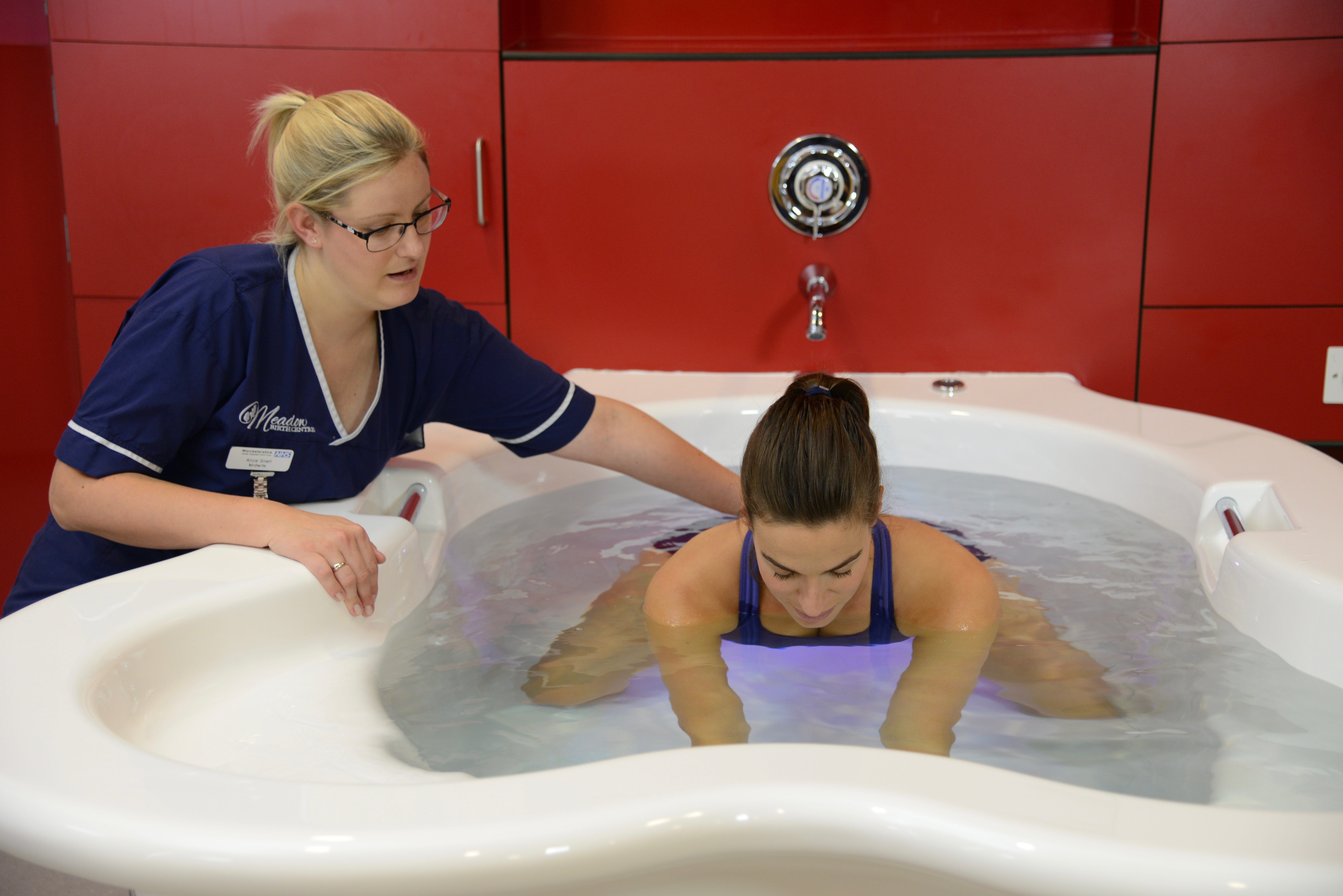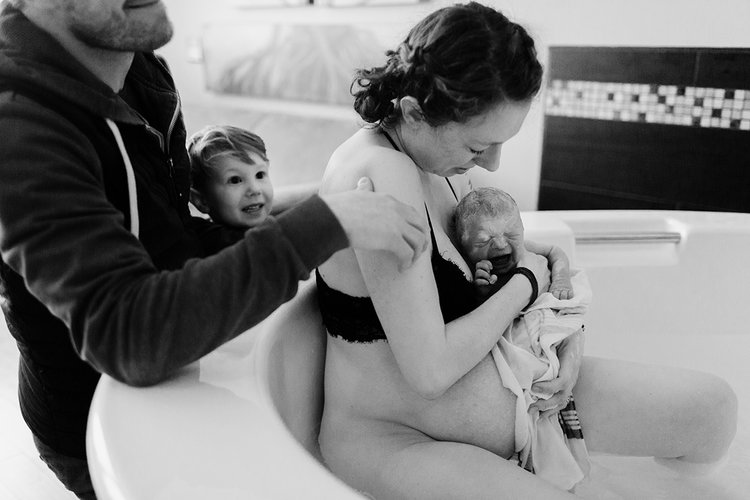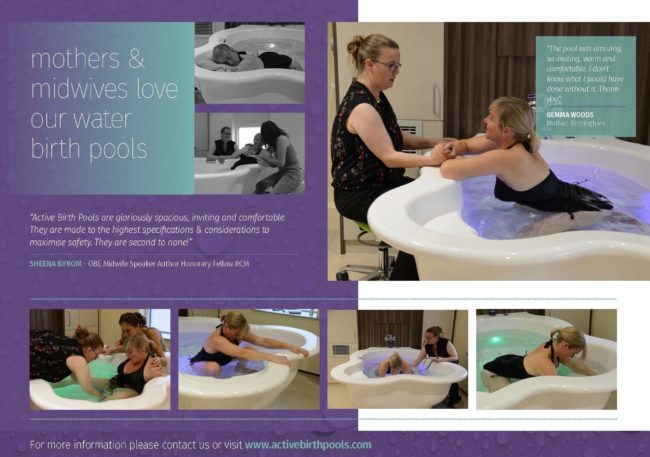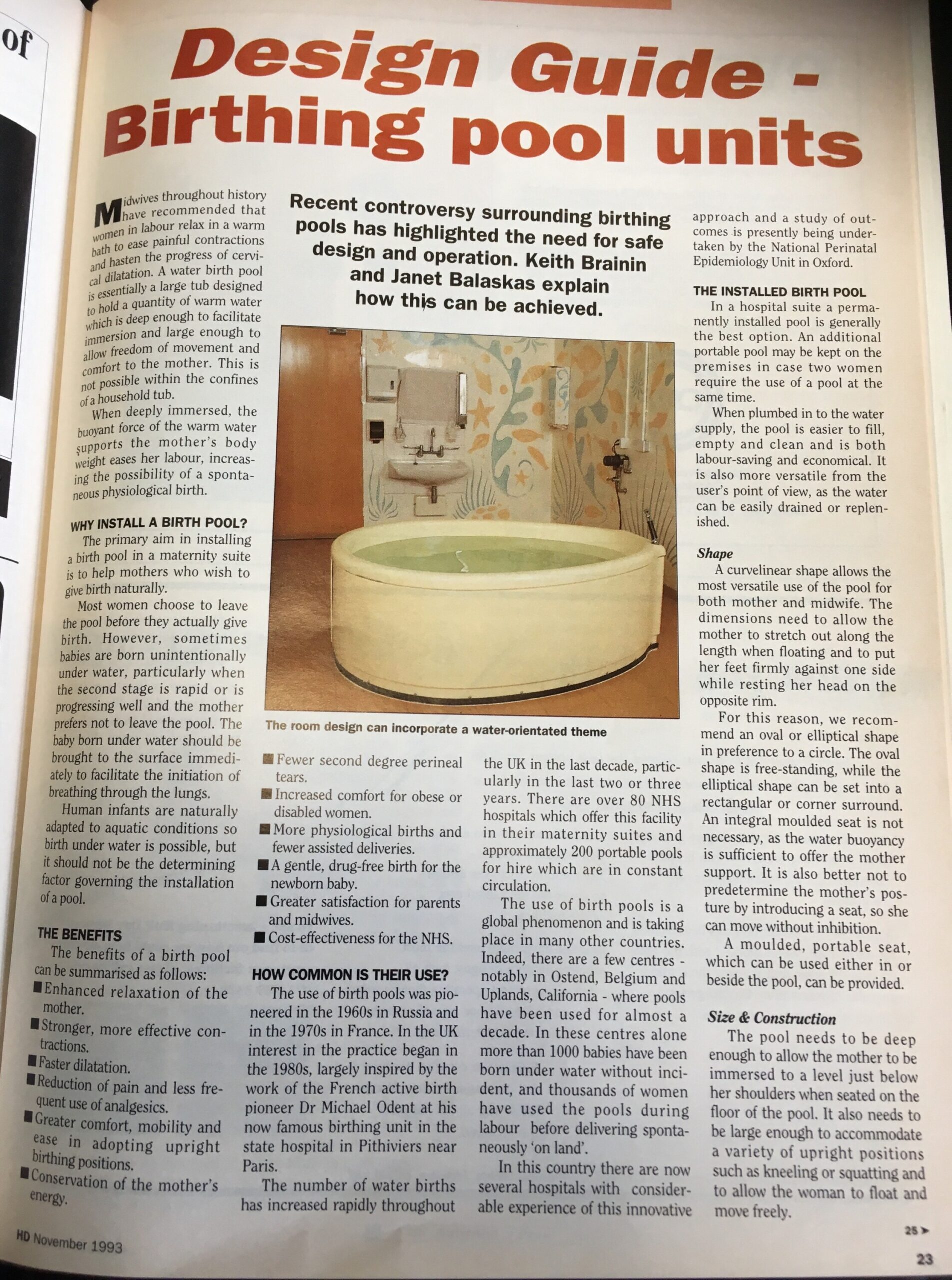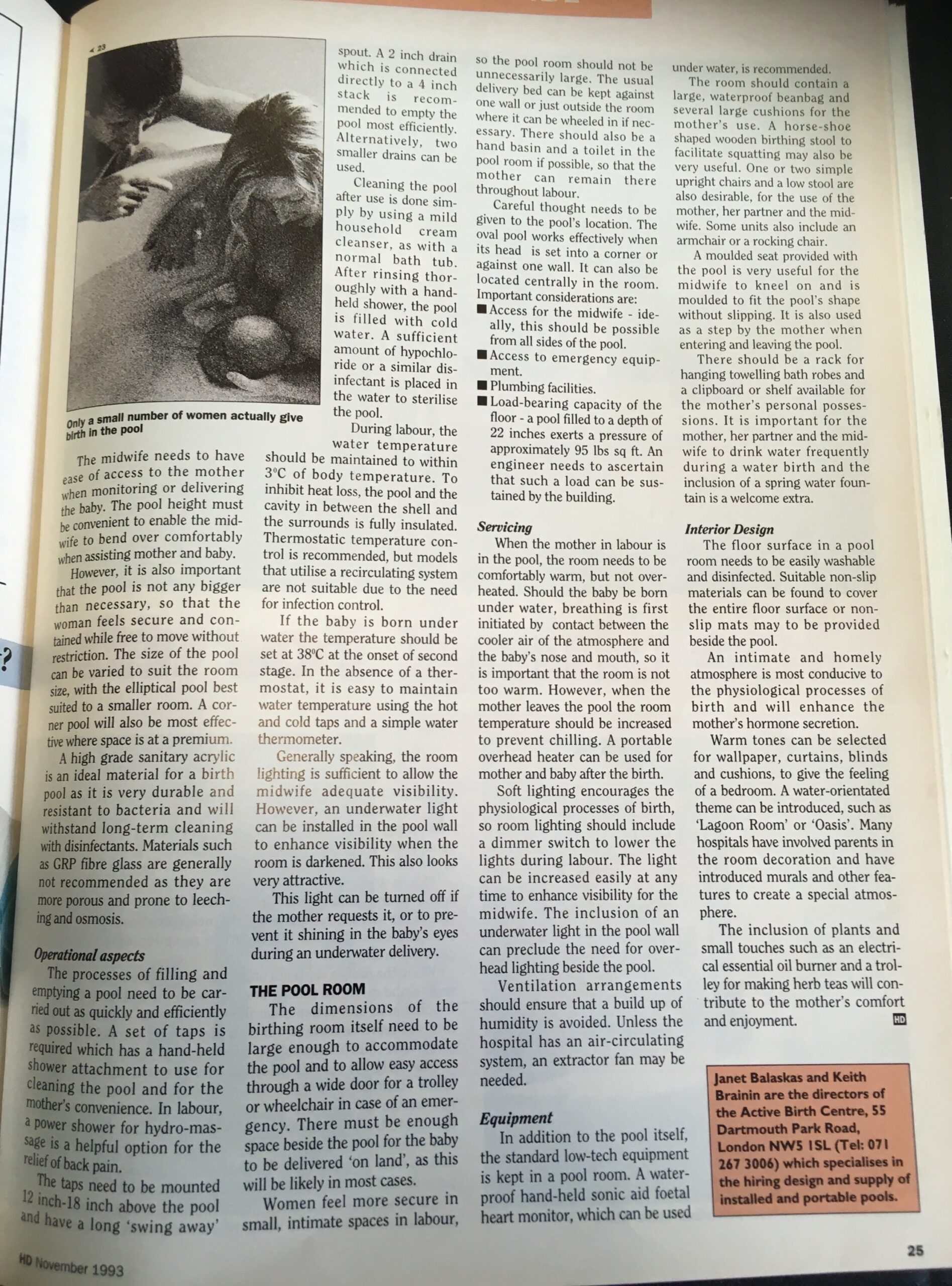
Hospitals in the United Kingdom began allowing women to use specially designed pools of water for labour and birth during the 1980’s.
The wide-spread popularity and acceptance of water birth pools as a standard part of the maternity care package necessitated the development of guidelines & regulations to define standards and ensure they’re met.
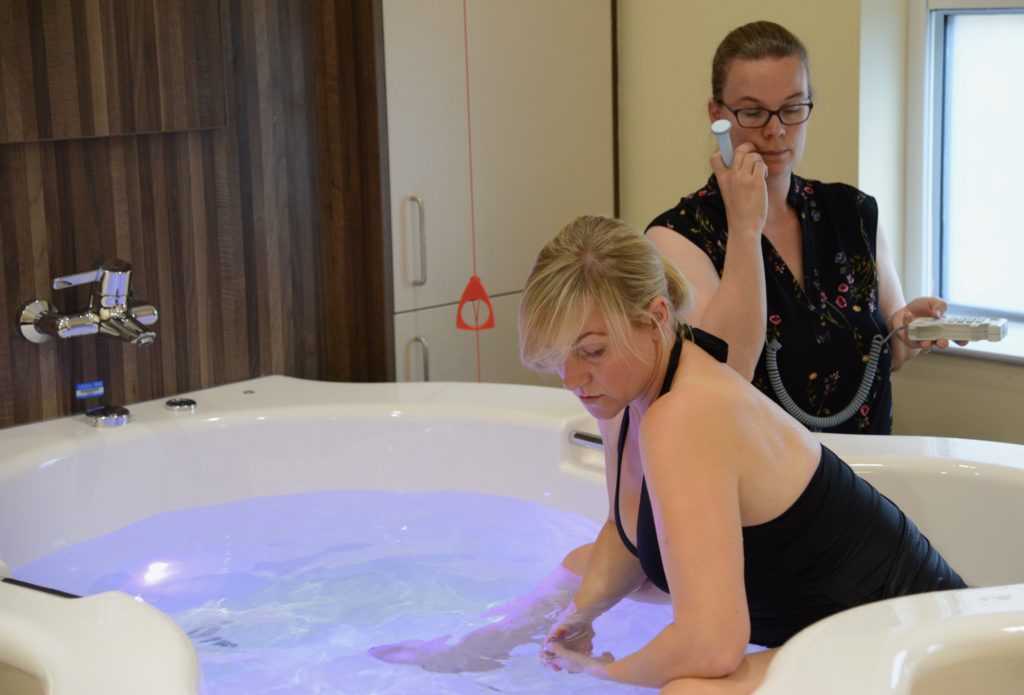
The United Kingdom Department of Health has published a panoply of water safety directives that apply to water birth pools.
Policies and recommendations set forth in the Water Birth Safety Initiative are based upon these publications.
The Water Birth Safety Initiative (WBSI) calls for development of international standards modelled on the UK’s so that women the world over can benefit from the use of water for labour and birth safeguarded from risk.
The WBSI calls for the implementation of stricter protocols and sets forth recommendations for equipment standards.
The guidelines set forth in the WBSI are intended to serve as a framework of standards for birth pool suppliers, hospitals and midwives to work with to establish safe codes of practice.
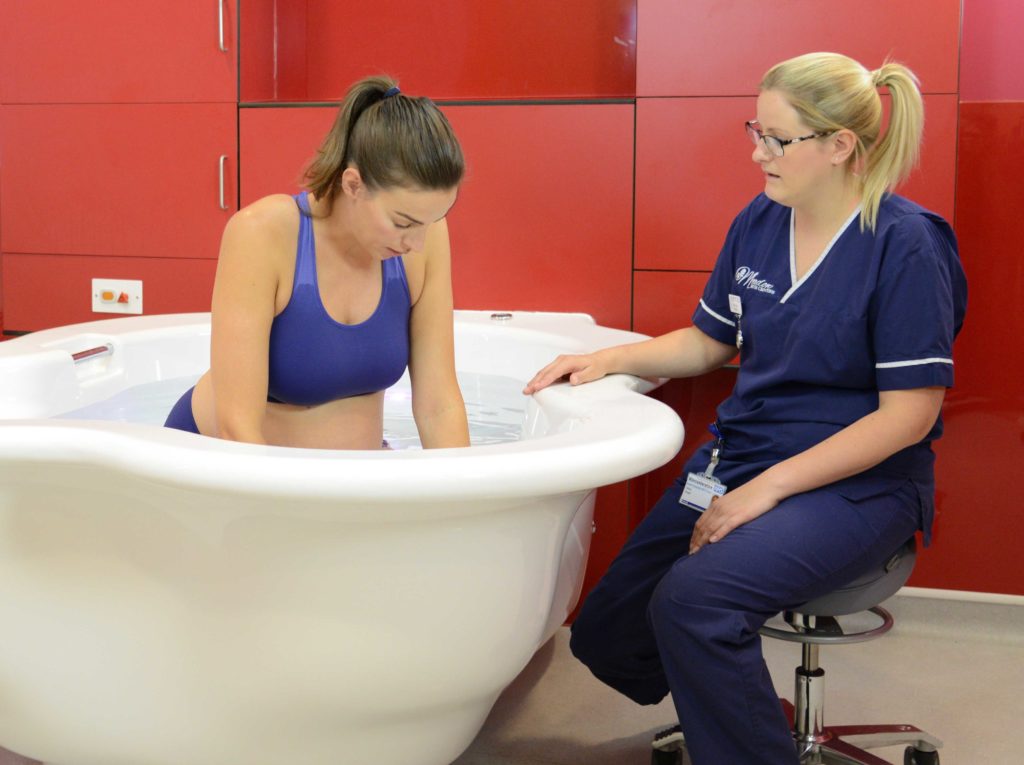
Guidelines for Water Birth Pools Installed in Hospital
Water is more prone to bacteria growth after it leaves the public water distribution system and enters a building’s plumbing.
There it finds warmer temperatures, stagnation, and smaller pipes, valves and fittings.
Biofilm that forms on valves and fittings and pipe walls not only feeds bacteria but also protects them from the hot water and chlorine that typically would kill free-floating organisms.
Large systems with complex piping networks — like those found in hospitals, hotels and large apartment buildings — are especially prone to bacteria growth.15
Water Birth Pools that are installed in hospitals have the benefit of being maintained by staff to ensure that protocols are established, met and maintained.
Consideration and due diligence with regard to the prospective purchase of water birth pools and the assessment of pools already in use needs to be taken to ensure that the associated plumbing and electrical systems meet relevant safety standards.
The United Kingdom’s Department of Health and National Health Service has an exemplary safety record achieved by establishing rigorous sets of guidelines and regulations for the design, installation, use and maintenance (cleaning/disinfection) of water birth pools.
In the UK water birth pools are classed as a Category Fluid 5 water risk which represents a serious health hazard due to the concentration of pathogenic organisms, radioactive or very toxic substances, e.g. containing faecal material or other human waste; butchery or other animal waste or pathogens.
Water Birth Pools must be installed in compliance with water regulations as set forth in The Water Supply (Water Fittings) Regulations 1999.11
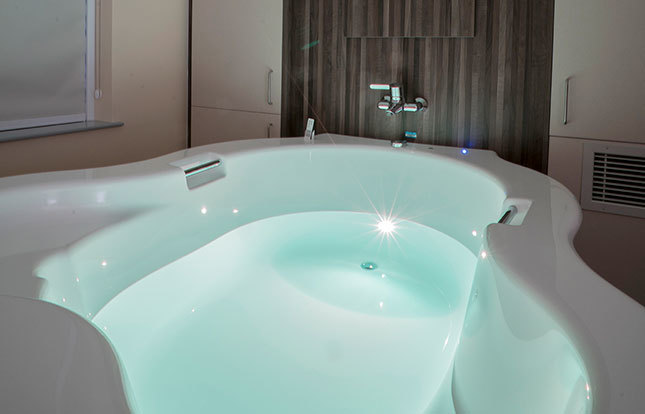
The 7 sins of water safety
To ensure high standards are met it is strongly advised that you do not use a water birth pool that has any of these features:
- Overflow drains
- Internal water inlets
- Hand-held showers
- Systems with flexible hoses or extended pipes
- Integral or secondary plumbing systems
- Any type of recirculating or pumped water systems such as whirlpool, jacuzzi, spa, bubbling, filtering etc
- Heating systems
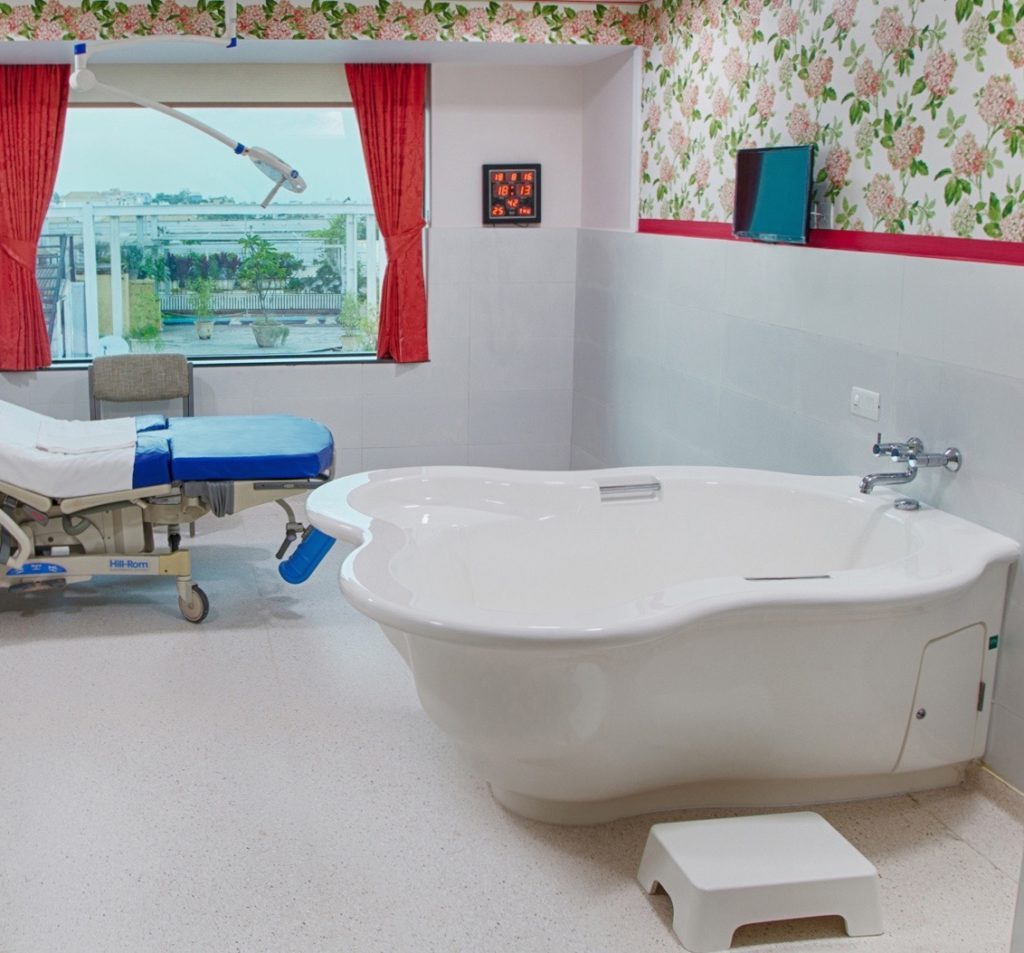
1) Overflow drains
Overflow drains harbour bacteria and can serve as a conduit for cross infection.
Regulations are very clear on this point – overflow drains should not be installed on water birth pools as they constitute a constant infection control risk much more significant than the possible risk of damage due to water overflowing.11,12
Some digital taps on the market can be set for filling time thus obviating the risk of the pool overflowing.
2) Internal water inlets
Internal water inlets act in place of taps to fill the pool.
They are installed on the inside of the pool just above the water line and connected with pipework to a thermostatic valve.
If the water level rises there is a high risk of back flow enabling bacteria to enter the system creating a risk of cross infection.7
3) Handheld showers
Handheld showers present a significant infection control risk due to the fact that they can fall in the pool and be contaminated with bacteria that could breed and be passed on next time the shower is used.
Department of Health regulations clearly stipulate that handheld showers and bath/shower mixers are not installed for use with water birth pools. 13
Handheld showers present a Fluid Category 5 risk to the mains water supply.
It must not be possible to submerge the showerhead in the water due to risk of cross infection.
In order to comply with category 5 water regulations covering back siphonage, a class AUK3 air gap would be required, which generally prevents the use of handsets, unless there is a separate break tank installed in the hospital plumbing system.
4) Systems with flexible hoses or extended pipes
Systems that employ flexible piping, have branch pipes or hold stagnant water present a potential hazard and must not be used with water birth pools.
It is impossible to clean, disinfect or monitor these systems.
They have been proven to be a source of Legionella and Pseudomonas. 14
Weekly flushing recommendations recommended by the department of health cannot be executed with such systems, and the effectiveness of this cannot be monitored due to the inacessibility of the closed system.
5) Integral or secondary plumbing systems
Integral, secondary or proprietary plumbing systems are fitted to some water birth pools.
As these systems can employ flexible and non-flexible piping, overflow drains, handheld showers and are often pumped or recirculating they present a significant infection control risk and should be banned from use.
Regulations stipulate that water birth pools are filled from thermostatically controlled wall mounted mixer taps plumbed directly into the hospitals water supply with the minimum of pipework.
Not only do secondary or integral plumbing systems present unacceptable risks, they are impossible to clean, disinfect or monitor and therefore present an extremely high and unacceptable infection control risk.
They must not be present on pools used for labour and birth. 10
6) Recirculating or pumped water systems
Recirculating or pumped water systems such as whirlpool, jacuzzi, spa, bubbling, filtering etc. have the perfect environmental conditions to be a potential source for the growth of microorganisms, including legionella bacteria and must not be installed on water birth pools.
Water systems that are able produce aerosols represent the highest levels of risk.
Aerosols can be generated very easily when the water surface is broken -for example, by falling water droplets, splashing, or by bubbles breaking at the surface.
Once introduced to artificial water systems, Legionella can thrive in warm water (30 – 35 °C) and has been shown to be present on flexible seals and metal surfaces within plumbing systems used in domestic potable water supplies.
Inadequately maintained spa pools (birth pools with pumped or recirculating systems) provide ideal conditions to support the growth of legionellae and other microorganisms, which may then become aerosolised and subsequently inhaled.15
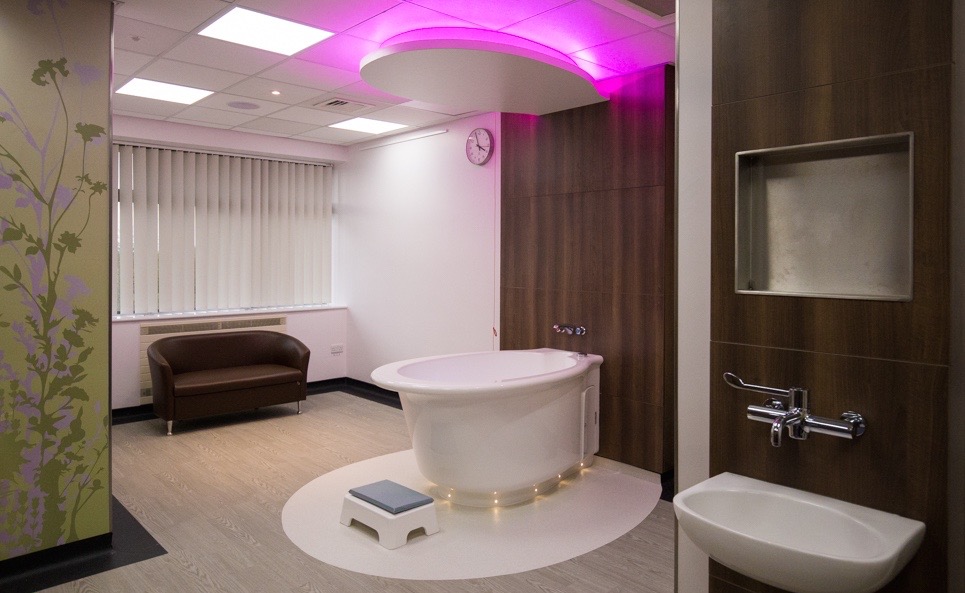
7) Heating systems
Heating systems for water birth pools are not necessary and present unacceptable infection control risks.7
There are two types of heating systems in use:
1. Recirculating system with a heat exchanger
Water is pumped out of the pool and through a heat exchanger and then flows back into the pool.
These systems present one of the highest infection control risks and should not be installed on a water birth pool under any circumstances. (covered by points 4, 5 and 6 above).
2. Electric heating systems
Similar to under floor heating found in homes do not present an infection control risk.
But, they do present an unacceptable health and safety risk and should therefore not be installed in water birth pools.
These systems consist of a network of cables embedded in the fabric of the birth pool that are attached to the power supply through a thermostat.
The heat is transmitted from the cables through the floor of the pool and then transferred to the water.
The inherent problem with these systems is that the water is relied on to take the heat away from the material.
If a woman remains motionless the heat becomes concentrated and a “hotspot” develops which can result in the woman being burned.
Recommendations
Plumbing for filling and emptying water birth pools should be simple, straight forward and kept to the minimum.
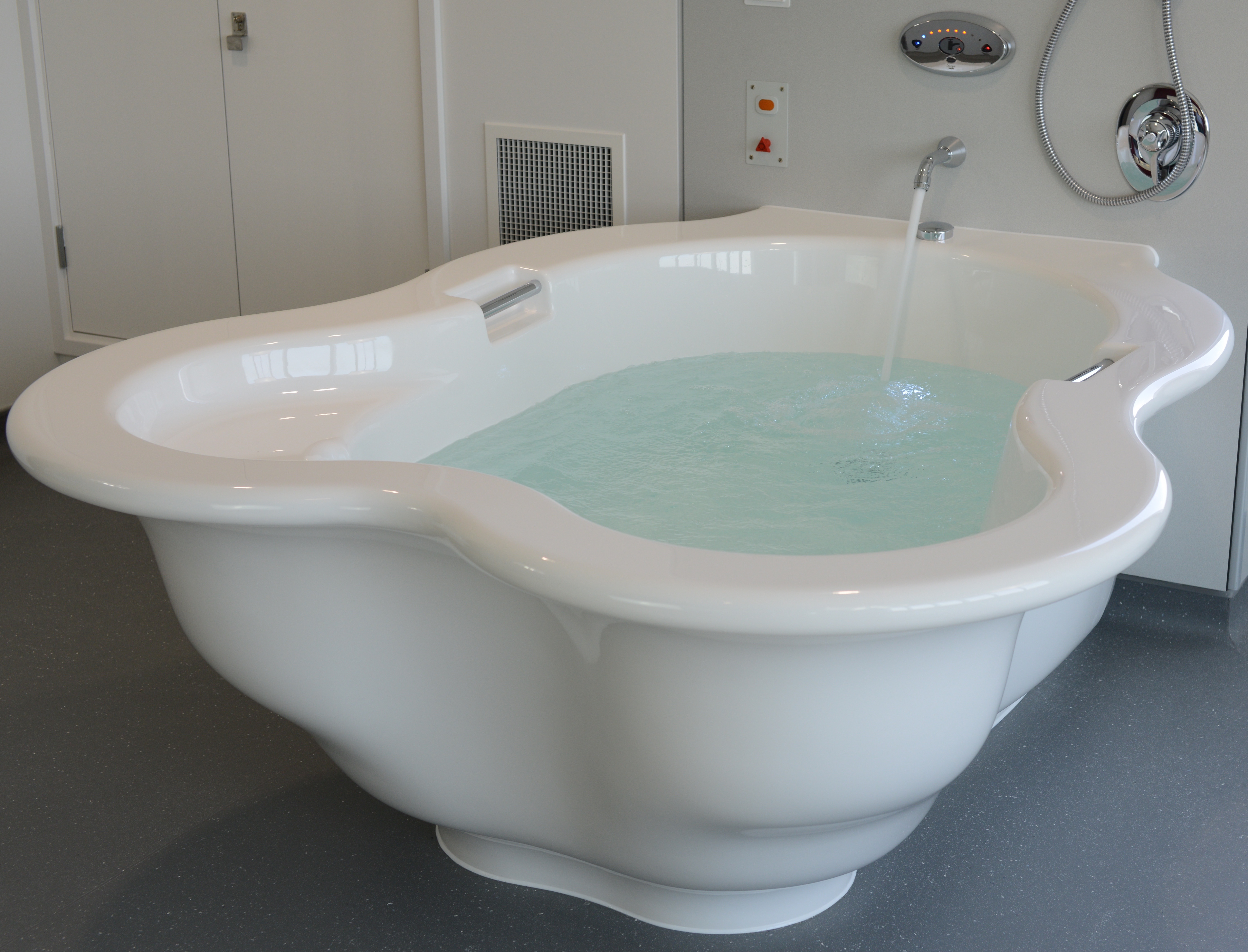
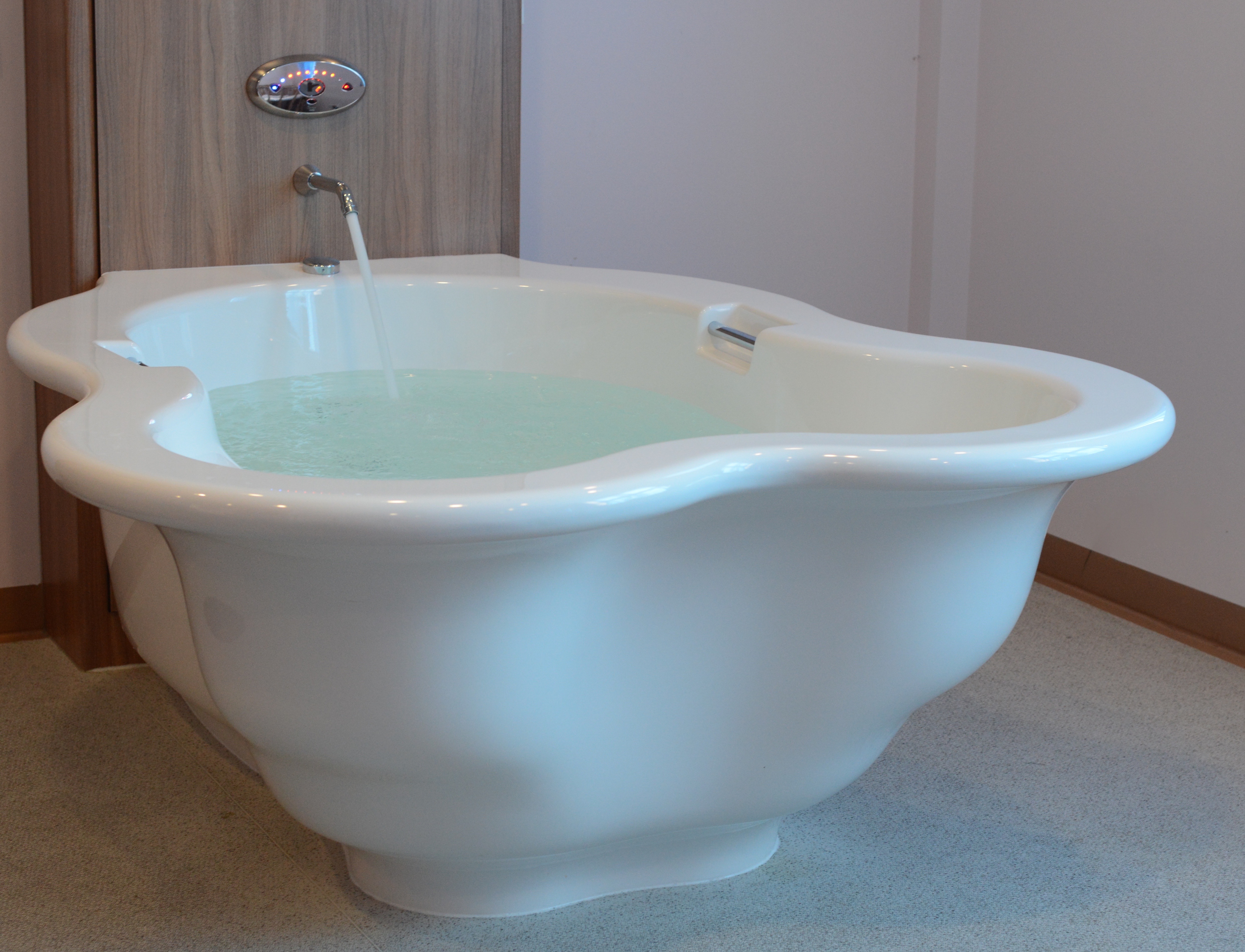
A set of taps (see below) mounted on the wall 15cm above the rim and a drainage system similar to that of a normal bath is all that is required.
Rim mounted taps present two areas of risk:
1. Women may hit their head on taps that are mounted on the rim of the pool causing injury.
In the throes of labour a woman is not as cognisant of her surroundings as she normally is.
She needs to be protected from the potential harm that could result from hitting her head or other part of her body on the spout.
2. Risk to the taps and pool caused by the labouring woman grabbing onto the spout for support could easily cause damage to the fitting or fabric of the pool.
Filling the birth pool
Water Birth Pools should be filled directly from the hospitals main water supply through a ¾ Thermostatic Mixing Valve (TMV).
To comply with UK National Health Service regulations the valve must have TMV3 approval for use in Healthcare and Commercial situations and certify that it conforms to the performance requirements of the Department of Health.16
To kill legionella and other bacteria, water in hospitals systems is heated to 60 – 80 °C.
Water temperature entering the birth pool should be limited by the TMV to 44 °C to prevent scalding.
The added benefit of using a TMV connected directly to the hospitals main water supply is that it can be set to automatically flush itself of stagnant water twice a day and be thermally disinfected periodically.
The use of a TMV ensures a safe water supply.
Digital thermostatic mixing valves with enhanced thermal performance that incorporate these features are ideal:
1) Programmable control to accurately mix and maintain the temperature of the water flowing into the birth pool and limit the temperature of the water to 44 °C to prevent scalding.17
2) Programmable fill duration to fill the pool to the desired depth and then turn off.
This is important as water birth pools are not allowed to have overflow drains installed and this feature will prevent the pool from overflowing when unattended.
3) Programmable duty flushing to ensure that water does not stagnate within the tap and associated pipe work, effectively controlling the multiplication of legionella & other bacteria in infrequently used outlets.
Flushing duration is in line with HSE L8 recommendations.18
4) Programmable high-temperature thermal disinfection to destroy the proteins in viruses and bacteria and render them as dead or inert.
Thermal disinfection works by achieving a moist heat which is set at a specific temperature for a set amount of time.
Viruses and bacteria are very sensitive to heat and they will die if exposed to higher temperatures. 19
Emptying the Pool
Water from a birth pool needs to be treated as Fluid category 5 waste representing a serious health hazard due to the concentration of pathogenic organisms derived from fecal material or other human waste and emptied directly into the hospital’s waste water system.20
The pipework needs to have a trap or U bend fit as close to the waste/drain as possible.
The drainage fitting or waste should seal neatly into the drain.
The drainage fitting should be cleaned and flushed through with disinfectant and then dried as part of the cleaning protocol.
The waste should be kept closed when the pool is not in use.
There should be NO flexible pipe used in the drainage pipework.21
The waste should be remotely operated (i.e. pop up waste with rim mounted control) and of the best quality, preferably high-grade brass, to resist the corrosive action of chlorides and other disinfectants.
End notes
The Water Birth Safety Initiative was conceived by Keith Brainin to motivate and enable birth pool suppliers and health care professionals to raise standards and implement protocols to make water birth safe.
References
[1] Healio – Infectious Disease News. (2014, December 26). Legionellosis death after water birth sparks call for stricter infection control protocols. http://www.healio.com/infectious-disease/practice management/news/online/%7Bfe352169-755d-4d21-9bb2-abb8ae209f89%7D/legionellosis-death-after-water-birth-sparks-call-for-stricter-infection-control-protocols
[2] Inquisitr. (2015, January 16). Oregon Water Birth Leaves Baby Disabled, Lawsuit Wants Labor Options Banned. http://www.inquisitr.com/1761136/oregon-water-birth-leaves-baby-disabled-lawsuits-wants-labor-options-banned/
[3] GOV.UK. Alert after Legionnaires’ disease case in baby, 2014. https://www.gov.uk/government/news/alert-after-legionnaires-disease-case-in-baby
[4] The Guardian. Legionnaires’ disease in baby is linked to heated birthing pool, June 17, 2014.http://www.theguardian.com/society/2014/jun/17/legionnaires-disease-heated-birthing-pool-baby-public-health
[5] Guidance from the Water Regulations Advisory Scheme (WRAS) https://www.wras.co.uk/consumers/advice_for_consumers/what_are_the_water_regulations_/
[6] M.W. LeChevallier, 2003 World Health Organization (WHO). Conditions favouring coliform and HPC bacterial growth in drinking- water and on water contact surfaces. Heterotrophic Plate Counts and Drinking-water Safety. Edited by J. Bartram, J. Cotruvo, M. Exner, C. Fricker, A. Glasmacher. Published by IWA Publishing, London, UK. ISBN: 1 84339 025 6.
[7] www.gov.uk. Public Health England advice on home birthing pools, 2014. https://www.gov.uk/government/news/public-health-england-advice-on-home-birthing-pools
[8] Health and Safety Executive. (2013). Legionnaires’ disease: Technical guidance [3.4], 2013. http://www.hse.gov.uk/pubns/priced/hsg274part3.pdf
[9] United Lincolnshire Hospitals NHS Trust UK. Cleaning, Disinfection and Sterilization Guidelines for Re-Usable Medical Devices 2010.
http://www.activebirthpools.com/wp-content/uploads/2014/05/Lincolnshire-CLEANING-DISINFECTION-AND-STERILIZATION-GUIDELINES-FOR-RE-USABLE-MEDICAL-DEVICES.pdf
[10] http://www.eurosurveillance.org. Case of legionnaires’ disease in a neonate following an home birth in a heated birthing pool. England, June 2014 http://www.eurosurveillance.org/ViewArticle.aspx?ArticleId=20857
[11] Water Regulations Advisory Scheme (WRAS). Fluid Categories. https://www.wras.co.uk/consumers/resources/glossary/fluid_categories/
[12] WHBN 00-10 Welsh Health Building Note. Part C: Sanitary assemblies2014, http://www.wales.nhs.uk/sites3/documents/254/WHBN%2000-10%20Part%20C.pdf
[13] Department of Health, Children, young people and maternity services. Health Building Note 09-02: Maternity care facilities, 2009.
https://www.gov.uk/government/uploads/system/uploads/attachment_data/file/147876/HBN_09-02_Final.pdf
[14] Freije, Matthew R. Some waterborne bacteria are tough, 2010. http://www.watertechonline.com/articles/some-waterborne-bacteria-are-tough
[15] Woolnough, Kevin. Legionella Expert Calls for Greater Vigilance, 2014. http://www.eurofins.co.uk/news-archive/legionella-expert-calls-for-greater-vigilance.aspx
[16] BEAMA. TMV Standards and regulations, 2013. http://www.beama.org.uk/en/product-areas/heating-hot-water–air-movement/thermostatic-mixing-valves/tmva-faqs-on-thermostatic-mixing-valves/tmv-standards-and-regulations.cfm
[17] Health and Safety Executive. Managing the risks from hot water and surfaces in health and social care, 2012. http://www.hse.gov.uk/pubns/hsis6.pdf
[18] Health and Safety Executive. Legionnaires’ disease The control of legionella bacteria in water systems, 2013. http://www.hse.gov.uk/pubns/priced/l8.pdf
[19] Health and Safety Executive. Managing legionella in hot and cold water systems. http://www.hse.gov.uk/healthservices/legionella.htm
[20] SMS Environmental – the water experts. Fluid Categories. http://www.sms-environmental.co.uk/fluid_categories.html.
[21] Nottingham University Hospitals NHS Trust. Legionella Management and Control Procedures, 2014.
Bibliography
- Ashford and St. Peter’s Hospitals, Women’s Health and Paediatrics Division (Abbey Birth Centre). Operational Policy and Clinical Guide, 2014.
- BASINGSTOKE AND NORTH HAMPSHIRE NHS FOUNDATION TRUST . CLEANING, DISINFECTION AND STERILISATION POLICY. Prod. Helen Campbell. BASINGSTOKE AND NORTH HAMPSHIRE, BASINGSTOKE AND NORTH HAMPSHIRE, 2010.
- BEAMA. TMV Standards and regulations. 2013. http://www.beama.org.uk/en/product-areas/heating-hot-water–air-movement/thermostatic-mixing-valves/tmva-faqs-on-thermostatic-mixing-valves/tmv-standards-and-regulations.cfm (accessed 2014 йил 24-09).
- Buckinghamshire Healthcare NHS Trust. Water birth and use of water in labour guideline. Prod. Miss G Tasker and Audrey Warren. 2013.
- Dekker, Rebecca. “Evidence on the Safety of Water Birth.” http://evidencebasedbirth.com/. 2014. http://evidencebasedbirth.com/waterbirth/ (accessed 2014 10-09).
- Department for Environment, Food and Rural Affairs. Water Supply (Water Fittings) Regulations 1999 Guidance Document relating to Schedule 1: Fluid Categories and Schedule 2: Requirements For Water Fittings. 1999. http://archive.defra.gov.uk/environment/quality/water/industry/wsregs99/documents/waterregs99-guidance.pdf.
- Department of Health. Children, young people and maternity services Health Building Note 09-02: Maternity care facilities. 2009.
—. “Health Building Note 00-09: Infection control in the built environment.” www.gov.uk. 2002. https://www.gov.uk/government/uploads/system/uploads/attachment_data/file/170705/HBN_00-09_infection_control.pdf (accessed 2014 6-12).
—. “Health Technical Memorandum 64: Sanitary assemblies.” 2006. http://www.wales.nhs.uk/sites3/documents/254/HTM%2064%203rded2006.pdf (accessed 2014 10).
—. “Water systems Health Technical Memorandum 04-01: Addendum” .2013. https://www.gov.uk/government/uploads/system/uploads/attachment_data/file/140105/Health_Technical_Memorandum_04-01_Addendum.pdf (accessed 01 2014-10).
—. “Water systems Health Technical Memorandum 04-01: The control of Legionella , hygiene, “safe” hot water, cold water and drinking water systems”. 2006.
- DH, Estates & facilities. Water systems Health Technical Memorandum 04-01: Addendum . Department of Health, Department of Health.
- Elizabeth R Cluett, Ethel Burns. Immersion in water in labour and birth. 2009.http://onlinelibrary.wiley.com/doi/10.1002/14651858.CD000111.pub3/abstract (accessed 2013 13-05).
- Elyse Fritschel, Kay Sanyal, Heidi Threadgill, and Diana Cervantes. Emerging Infectious Diseases.CDC. Centers for Disease Control and Prevention. CDC. 2014. http://wwwnc.cdc.gov/eid/article/21/1/14-0846_article (accessed 2015 5-January).
- Freije, Matthew R. Some waterborne bacteria are tough . 2010. http://www.watertechonline.com/articles/some-waterborne-bacteria-are-tough (accessed 2015 20-01).
- GOV.UK. Alert after Legionnaires’ disease case in baby. 2014. https://www.gov.uk/government/news/alert-after-legionnaires-disease-case-in-baby (accessed 2014 3-12).
- GOV.UK. Public Health England advice on home birthing pools. 2014. https://www.gov.uk/government/news/public-health-england-advice-on-home-birthing-pools (accessed 2014 03-August).
- Healio – Infectious Disease News. Legionellosis death after water birth sparks call for stricter infection control protocols. 2014. http://www.healio.com/infectious-disease/practice-management/news/online/%7Bfe352169-755d-4d21-9bb2-abb8ae209f89%7D/legionellosis-death-after-water-birth-sparks-call-for-stricter-infection-control-protocols (accessed 2015 07-01).
- Health and Safety Executive. Legionnaires’ disease The control of legionella bacteria in water systems. 2013. (accessed 2014 07-07).
—. “Legionnaires’ disease: Technical guidance.” 2013. http://www.hse.gov.uk/pubns/priced/hsg274part3.pdf (accessed 2014 20-10).
—. Managing legionella in hot and cold water systems. http://www.hse.gov.uk/healthservices/legionella.htm (accessed 2015 07-01).
—. “Managing the risks from hot water and surfaces in health and social care.” 2012. http://www.hse.gov.uk/pubns/hsis6.pdf (accessed 2014 20-11).
- Health Facilities Scotland. Consultation draft of SHTM 04-01 Water Safety for Healthcare Premises Part G: Operational Procedures and exemplar Written Scheme 2013. Health Facilities Scotland.
- Inquisitr. Oregon Water Birth Leaves Baby Disabled, Lawsuit Wants Labor Options Banned. 2015.http://www.inquisitr.com/1761136/oregon-water-birth-leaves-baby-disabled-lawsuits-wants-labor-options-banned/ (accessed 2015 16-01).
- Laura Franzin, Carlo Scolfaro, Daniela Cabodi, Mariangela Valera, and Pier Angelo Tovo. Legionella pneumophila Pneumonia in a Newborn after Water Birth: A New Mode of Transmission. Oxford Journals, November 2001: 104.
- Legionella Control. Birthing Pool Death Linked To Legionnaires disease. https://legionellacontrol.com/blog/166-birthing-pool-death-linked-to-legionnaires-disease (accessed 2014 27-11).
- Legislation.gov.uk. The Water Supply (Water Fittings) Regulations 1999.The National Archives. 1999. http://www.legislation.gov.uk/uksi/1999/1148/contents/made (accessed 2015 05-01).
- M.W. LeChevallier, World Health Organisation. Conditions favouring coliform and HPC bacterial growth in drinkingwater and on water contact surfaces . 2003.
- N Phin, T Cresswell, F Parry-Ford on behalf of the Incident Control Team. CASE OF LEGIONNAIRES’ DISEASE IN A NEONATE FOLLOWING A HOME BIRTH IN A HEATED BIRTHING POOL, ENGLAND, JUNE 2014.http://www.eurosurveillance.org. 2014. http://www.eurosurveillance.org/ViewArticle.aspx?ArticleId=20857 (accessed 2015 10-01).
- Nottingham University Hospitals. LEGIONELLA MANAGEMENT AND CONTROL PROCEDURES. May 8, 2014.
- Rosanna A. Zanetti-Daellenbach, Sibil Tschudin, Xiao Yan Zhong, Wolfgang Holzgreve, Olav Lapaire, Irene Ho ̈sli. Maternal and neonatal infections and obstetrical outcome in water birth . Prod. Women’s University Hospital Basel. Spitalstrasse, Basel: European Journal of Obstetrics & Gynecology and Reproductive Biology , 2006 28-August.
- SMS Environmental – the water experts. Fluid Categories. http://www.sms-environmental.co.uk/fluid_categories.html.
- Takuhito Nagai, Hisanori Sobajima, and Mitsuji Iwasa. A fatal newborn case of Legionella pneumophila pneumonia occurring after water birth in a bathtub with an all day circulating system, June 1999 – Nagoya City.http://idsc.nih.go.jp/. 2000. http://idsc.nih.go.jp/iasr/21/247/de2474.html (accessed 2014 17-06).
- Takuhito Nagai, Hisanori Sobajima, Mitsuji Iwasa, Toyonori Tsuzuki, Fumiaki Kura, Junko Amemura-Maekawa, and Haruo Watanabe. Neonatal Sudden Death Due to Legionella Pneumonia Associated with Water Birth in a Domestic Spa Bath. 2002.http://www.ncbi.nlm.nih.gov/pmc/articles/PMC154682/ (accessed 2014 3-12).
- The Guardian. Legionnaires’ disease in baby is linked to heated birthing pool . 2014. http://www.theguardian.com/society/2014/jun/17/legionnaires-disease-heated-birthing-pool-baby-public-health (accessed 2014 18-June).
- U.S. Department of Health and Human Services Centers for Disease Control and Prevention (CDC) Atlanta, GA 30333. Guidelines for Environmental Infection Control in Health-Care Facilities . 2003.
- UNITED LINCOLNSHIRE HOSPITALS NHS TRUST. CLEANING, DISINFECTION AND STERILIZATION GUIDELINES FOR RE-USABLE MEDICAL DEVICES. Lincolnshire, 2010 January.
- Water Regulations Advisory Scheme. Fluid Categories . https://www.wras.co.uk/consumers/resources/glossary/fluid_categories/ (accessed 2014 3-12).
- which.co.uk. Having a water birth and using birth pools. http://www.which.co.uk/birth-choice/articles/using-water-in-labour.
- Woolnough, Kevin. Legionella Expert Calls for Greater Vigilance. http://www.eurofins.co.uk/news-archive/legionella-expert-calls-for-greater-vigilance.aspx (accessed 2015 17-01).
Please feel free to distribute and share this document crediting © K. D. Brainin (Active Birth Pools) 2015